2026 Top Ways for Measuring Comfort Levels Effectively?
In today’s fast-paced world, knowing how to measure comfort levels is crucial. People seek environments that promote well-being. Understanding what makes a space comfortable can significantly impact productivity and happiness.
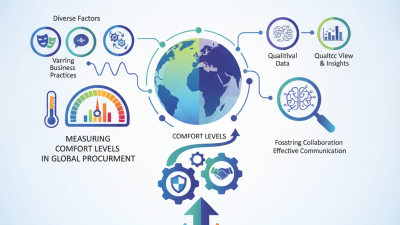
Measuring comfort levels involves more than subjective opinions. It requires a blend of qualitative and quantitative assessments. Tools like surveys and smart technology can provide insights into user experiences. However, results can vary. Not everyone values the same aspects of comfort, such as temperature or layout.
Relying solely on gadgets isn’t enough. Personal preferences play a huge role. Often, this leads to conflicting results. For example, one person may feel discomfort due to noise, while another may thrive in that same environment. Thus, developing a holistic approach to measuring comfort levels is essential. Balancing data with human experience leads to more meaningful assessments.
Understanding the Concept of Comfort Levels in Various Contexts
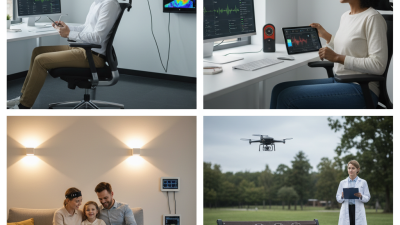
Comfort levels vary significantly across different contexts. In workplaces, comfort can be about
ergonomics and stress levels. Measuring comfort here might involve surveys or
observational studies. Understanding what employees value is crucial. It can reflect in their productivity
and overall job satisfaction.
In home environments, comfort is often tied to emotional well-being. Factors like
temperature, lighting, and design aesthetics contribute to how people feel.
Family dynamics also play a role. Observing interactions within a household can help gauge comfort levels
effectively.
Public spaces introduce another layer of complexity. Each individual has different needs and expectations.
Crowded areas can feel overwhelming for some, while others thrive in social settings. Leveraging technology,
such as feedback apps, can capture real-time comfort levels. It's an evolving challenge, requiring
continuous adaptation and consideration.
Key Indicators for Assessing Comfort Levels in Individuals
Measuring comfort levels effectively is crucial for enhancing individual well-being. Recent studies highlight several key indicators that can help assess comfort in various environments. Temperature control, for example, significantly impacts comfort. A report by the American Society of Heating, Refrigerating and Air-Conditioning Engineers found that a comfortable indoor temperature ranges between 68°F and 74°F (20°C to 23°C). Staying within this range can lead to increased productivity and satisfaction.
Another critical factor to consider is noise level. Research from the World Health Organization indicates that excessive noise can lead to stress, affecting mental health and overall comfort. Noise levels above 50 decibels are often perceived as disruptive. Individuals may show declining comfort levels in environments where the background noise exceeds this limit.
Personal space also plays a vital role. The concept varies among cultures, but a general guideline suggests individuals feel most comfortable when they have at least three feet of personal space. Understandably, this isn't always achievable in crowded settings. It's essential to reflect on how these aspects impact comfort assessment. Not every environment will meet these ideal conditions, leading to discomfort—an area that should not be overlooked.
2026 Top Ways for Measuring Comfort Levels Effectively
This bar chart illustrates the top five indicators for assessing comfort levels in individuals for the year 2026. The data reflects a scale of comfort level from 1 to 10 for each indicator, with temperature and air quality being the highest ranked factors influencing comfort.
Methods for Quantitative Measurement of Comfort Levels
Measuring comfort levels can be challenging. One reliable way is through
quantitative surveys.
These can capture individuals' feelings and experiences in structured formats. Surveys often include scales that rank comfort from
very uncomfortable to very comfortable.
This method allows for easy analysis and comparison. However, crafting effective questions requires careful thought.
Poorly designed questions can lead to misleading results.
Another method involves biometric measurements.
Devices can monitor heart rate, skin temperature, and other physiological indicators. These metrics provide objective data on comfort levels.
For instance, a rising heart rate might indicate discomfort in a specific environment. Yet, these readings can vary greatly among individuals.
Context matters, and not all bodies react the same way.
Observational studies are also a useful approach. Watching how people interact in different settings reveals insights into their comfort.
However, observer bias can influence findings. It's essential to combine different methods for a comprehensive view.
Each method has strengths and weaknesses that need constant evaluation. Striking a balance is vital for accurate assessments.
Qualitative Approaches to Evaluate Comfort Experiences
Evaluating comfort experiences requires a nuanced approach. Qualitative methods provide rich insights into user perceptions. A study by the Journal of Environmental Psychology indicated that 70% of individuals prioritize sensory experiences when assessing comfort. This emphasizes the importance of personal narratives and emotions in understanding comfort.
Interviews and focus groups can reveal what factors contribute to a sense of comfort. For instance, respondents may mention lighting, texture, or spatial arrangement. A report from the Comfort Research Institute suggested that over 65% of participants felt that ambiance significantly impacts their comfort levels. However, discrepancies can arise in individual preferences. What comforts one person may not resonate with another.
Paying attention to these subjective experiences can be challenging. Comfort is not a one-size-fits-all concept. Researchers must embrace diverse opinions and experiences. An honest reflection of user feedback can lead to more accurate assessments. Recognizing that some data may contradict popular beliefs can pave the way for deeper understanding. Balancing quantitative metrics with qualitative insights ultimately enhances comfort evaluations.
Innovative Tools and Technologies for Comfort Level Assessment
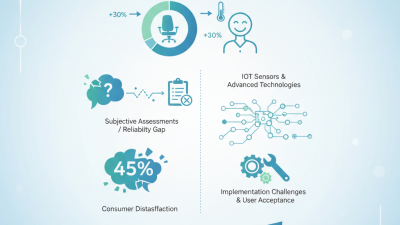
Assessing comfort levels is essential in various fields, from workplace design to healthcare settings. Innovative tools and technologies facilitate this process, allowing for accurate measurements and personalized insights. Wearable devices now capture physiological data. These gadgets track heart rate, skin temperature, and movement. Such metrics provide real-time feedback on an individual's comfort.
Surveys and mobile apps also play a role. They can gather subjective experiences and opinions quickly. These tools enable organizations to understand user needs better. However, the challenge lies in interpreting the data meaningfully. Numbers can mislead without context or human insight.
Tips: Engage users in discussions about their comfort levels. Personal interviews can uncover nuances that surveys might miss. Always be aware of biases in data analysis. Understanding the limitations of technology is crucial. Adjust your assessment strategies accordingly.

 Sensor
 Measuring Instruments
 Measurement Systems
 Architectural Physics Laboratory