How to Use Wet Bulb Globe Thermometer for Accurate Readings?
In the world of environmental monitoring, accurate temperature readings are crucial. The Wet Bulb Globe Thermometer (Wbgt) is a vital tool for assessing heat stress. It combines different temperature measurements to provide a comprehensive view of thermal conditions. This device is especially useful in outdoor settings, where humidity and airflow can significantly affect comfort levels.
Using a Wbgt correctly requires understanding its components and functions. Humidity, air temperature, and radiant heat all play a role in the readings. A miscalibration can lead to mistakes in interpreting thermal exposure. This can have serious implications for health and safety, particularly for athletes and outdoor workers.
However, it’s worth noting that not all users are familiar with how to take measurements accurately. Different environmental factors may affect the readings, sometimes leading to confusion. Understanding these nuances is essential for effective use. By delving deeper into the mechanics of the Wbgt, one can enhance their expertise and promote safety in various settings.
What is a Wet Bulb Globe Thermometer and Its Purpose?
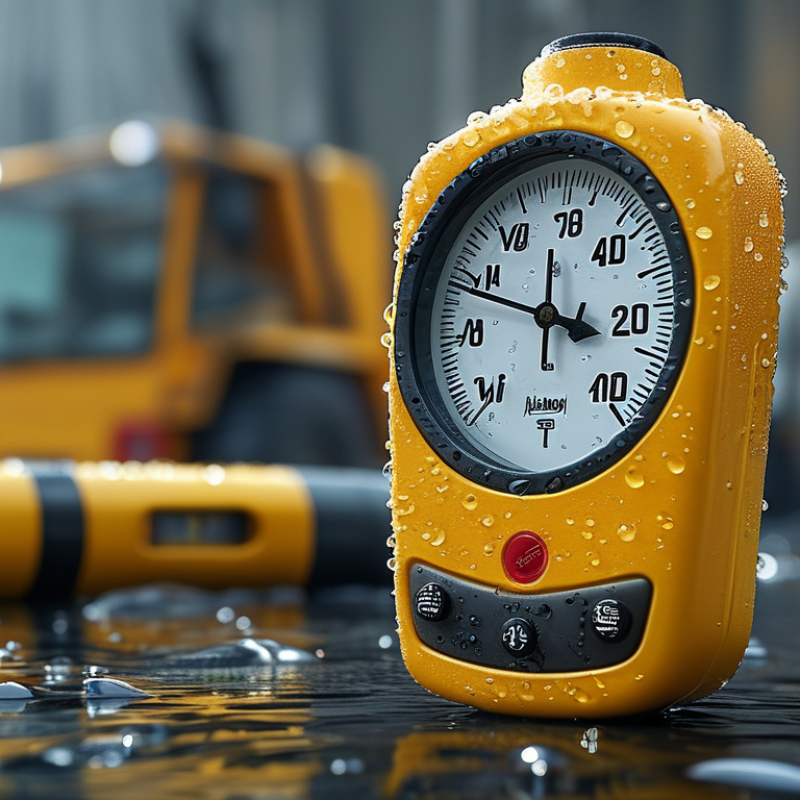
A Wet Bulb Globe Thermometer (WBGT) is a device used to measure environmental conditions. It combines three different temperature readings: dry bulb temperature, wet bulb temperature, and globe temperature. This integration allows for a comprehensive assessment of heat stress in various environments, especially outdoor settings. The purpose of a WBGT is crucial for both workers and athletes, as it helps evaluate the risk of heat-related illnesses.
Understanding the WBGT helps in making informed decisions. It provides a reliable metric for determining safe working or exercising conditions. For example, during a hot sunny day, the WBGT reading might suggest that extra precautions are necessary. However, it is essential to recognize some limitations. Local humidity and airflow can affect readings, sometimes leading to inaccuracies. Factors like clothing and individual metabolism influence heat stress, making it vital to interpret results with care.
Using a WBGT involves regular calibration and consistent monitoring. Users must be knowledgeable about how to read the thermometer correctly. Practical experience enhances accuracy. In environments where conditions can shift rapidly, relying solely on the readings may not capture the full picture. Reflexivity in measurements and understanding surrounding factors is key. Accurate use of the WBGT ultimately contributes to better safety and performance.
Components of a Wet Bulb Globe Thermometer Explained
A Wet Bulb Globe Thermometer (WBGT) is a vital tool for measuring heat stress in outdoor environments. Understanding its components is essential for accurate readings. The device consists of three main parts: a thermometer, a wet bulb, and a globe. Each plays a unique role in capturing specific environmental factors.
The thermometer measures dry bulb temperature. This reading reflects the air temperature, crucial for assessing comfort levels. The wet bulb, covered in a wet wick, indicates humidity. As the water evaporates, it cools the thermometer, showing a lower temperature than the dry bulb. This difference helps gauge air moisture, which affects heat sensation.
The globe is another critical component. It absorbs radiant heat from the sun, providing insights into direct exposure effects. The globe’s temperature indicates how much heat a person would feel while in that environment. Using all three readings together gives a comprehensive understanding of heat stress risk. However, mistakes can happen. If the wet bulb isn’t kept adequately saturated, it can lead to inaccurate measurements. Regular maintenance and checks are necessary for reliable data.
Steps for Measuring Temperature Using a Wet Bulb Globe Thermometer
Measuring temperature accurately is crucial for many fields, including meteorology and HVAC. A Wet Bulb Globe Thermometer (WBGT) serves as an essential tool in these areas. To utilize it effectively, start by placing the thermometer in an area with good airflow. Avoid direct sunlight or heat sources that can skew the readings. According to the American Society of Heating, Refrigerating and Air-Conditioning Engineers, maintaining accurate temperature can enhance comfort levels by up to 30%.
Next, ensure that the thermometer’s wet bulb is properly moistened. Use distilled water to fill the wick, as impurities can affect readings. After that, wait for the instrument to stabilize. This may take several minutes. Professionals recommend recording multiple readings throughout the day. Variability can arise due to changes in humidity and temperature, impacting overall accuracy. The National Oceanic and Atmospheric Administration highlights that a simple mistake in reading can lead to a misjudgment of heat stress risk, which is significant for safety in outdoor work environments.
Finally, document your readings diligently. Inconsistent data can lead to severe errors in assessment. Reflect on your methods. Are you considering all environmental factors? Proper use of the WBGT requires attention to detail. Making small adjustments in how you measure can lead to enhanced reliability of data over time. Acknowledging areas for improvement is vital in achieving the best outcomes.
Interpreting the Readings of a Wet Bulb Globe Thermometer
Interpreting the readings of a Wet Bulb Globe Thermometer involves understanding multiple factors. This device measures temperature, humidity, radiative heat, and wind speed. Each variable affects how we perceive heat. When the thermometer shows high humidity and temperature, it indicates a high heat index. Such conditions can be uncomfortable or unsafe.
Consider a scenario during a hot summer day. If the wet bulb reading is significantly lower than the dry bulb reading, it suggests effective evaporation cooling. This can help assess whether outdoor activities are safe. It's essential to know these details for accurate readings. However, mistakes can happen. Sometimes, misplacing the device can lead to skewed results.
Adjusting your approach is key. Use the thermometer in shaded areas for reliable readings. Analyzing trends over time is also beneficial. You might find surprising patterns. A high reading one day doesn't guarantee the same the next. Each situation demands careful attention. Understanding these nuances can enhance your ability to gauge heat stress accurately.
Common Applications of Wet Bulb Globe Thermometry in Various Fields
Wet Bulb Globe Thermometers (WBGT) play a crucial role in various fields. In environmental science, they measure heat stress in outdoor workers. The thermometer combines readings from wet and dry bulbs and a globe to provide an accurate temperature. This can help assess safety in hot conditions. Proper interpretation of these readings is essential for worker health.
In sports and athletics, WBGT helps coaches monitor athletes during training. They can adjust schedules according to temperature readings. For turf management, accurate temperature measurements inform irrigation practices. Understanding microclimates improves crop yields and protects biodiversity. Knowledge of local conditions is often overlooked.
Healthcare facilities use WBGT to create comfortable environments for patients. Yet, the readings depend on placement and calibration, leading to potential inaccuracies. Regular maintenance of the equipment is vital. All professionals should be wary of how variables like sunlight affect results. Awareness of potential misinterpretations is essential. Balancing technology with human observation enhances accuracy.

 Sensor
 Measuring Instruments
 Measurement Systems
 Architectural Physics Laboratory