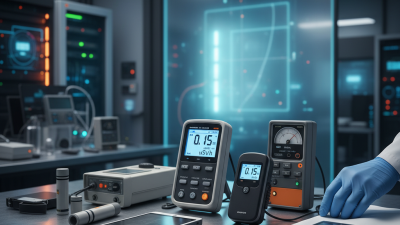
Top Radiation Monitor Features You Should Consider?
When considering a Radiation Monitor, it's crucial to assess its features carefully. The right monitor can shield you from unseen dangers while providing peace of mind. Understanding its capabilities ensures that you're making an informed choice.
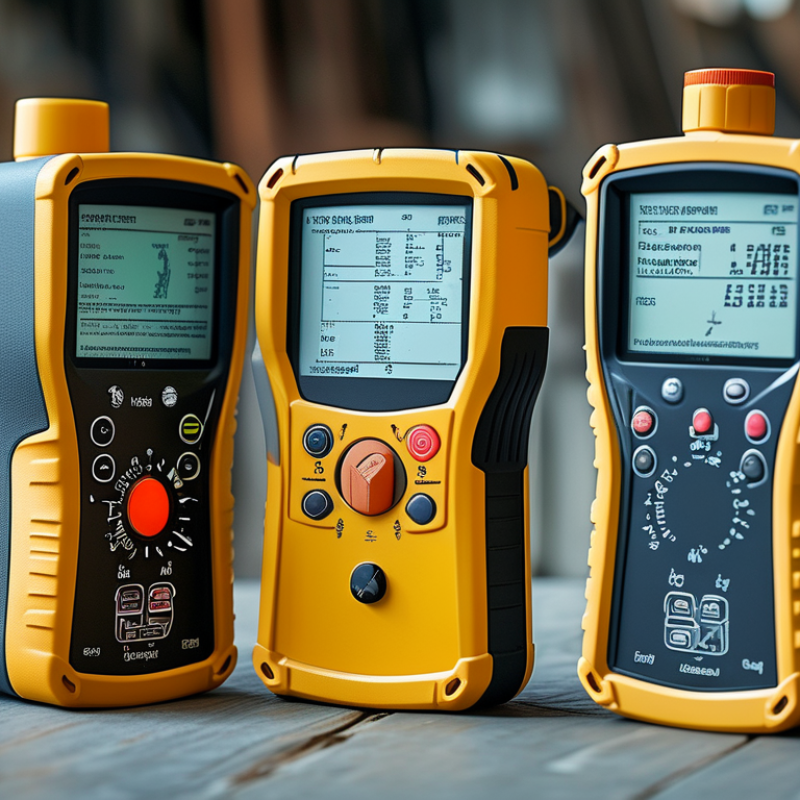
Radiation levels can fluctuate significantly, influenced by various factors in our environment. A reliable Radiation Monitor should offer real-time data and easy-to-read displays. Look for units with adjustable sensitivity settings, as these can enhance your monitoring experience.
In this evolving field of radiation detection, staying aware of potential shortcomings in various products is essential. Not every monitor meets the stringent standards that experts recommend. A thorough evaluation of brand reputation and user reviews can help identify reliable options over time. This attention to detail will ultimately aid in selecting the best Radiation Monitor for your needs.
Key Sensitivity Levels for Effective Radiation Detection
When considering effective radiation detection, sensitivity levels are crucial. High sensitivity enables the detection of low radiation doses. Reports indicate that monitors with high sensitivity can detect radiation levels as low as 0.01 µSv/h. This level is essential for early detection in environments where radiation exposure could be a risk.
Moreover, instruments should provide adjustable sensitivity settings. This allows users to switch between normal and high-sensitivity modes based on the context. For example, a setting of 0.1 µSv/h might suffice for general monitoring. However, in a controlled environment, lower thresholds are necessary for accurate readings. Data shows that detectors with tunable settings are 30% more effective in diverse applications.
Furthermore, accuracy remains a significant concern. A monitor's ability to provide reliable readings irrespective of environmental conditions enhances trust in its readings. Studies have indicated that even slight variations in detector calibration can lead to errors. These nuances highlight the importance of thorough testing and recalibration. Attention to these factors can lead to superior radiation safety practices.
Top Radiation Monitor Features You Should Consider
Understanding the Range and Calibration of Radiation Monitors
When choosing a radiation monitor, understanding its range and calibration is essential. The effective range determines how far it can accurately detect radiation. Monitors can vary significantly in their measuring range. Some are suited for low-level monitoring, while others are designed for high radiation environments. Clarifying your specific needs will help in selecting the right tool.
Calibration is another critical aspect. A well-calibrated monitor provides reliable data. Regular calibration ensures accuracy and consistency in measurements. It’s vital to follow manufacturer guidelines for timing and method. Neglecting this can lead to erroneous readings, which may have serious consequences in radiation-sensitive areas.
Incorporating practical use, remember this: always check the calibration date before use. This simple step helps maintain reliability. If unsure about calibration, consult a professional. It's better to be safe and confirm your monitor’s performance than to risk using unverified equipment. Regularly reviewing your monitor's range will also ensure it fits your monitoring environment. A mismatch here might lead to overlooked hazards.
Integration of Data Logging and Reporting Features
When selecting a radiation monitor, data logging and reporting features are crucial. Effective monitoring goes beyond just detection. It involves gathering comprehensive data for analysis and reporting. A robust data logging feature allows users to track radiation levels over time. This is vital for both compliance and safety assessments in various environments.
Accuracy in data reporting cannot be neglected. A reliable monitor needs to present clear and concise reports. Look for systems that offer customizable reporting formats. This ensures that relevant information is easily digestible. Also, consider automated data uploads to cloud-based platforms. This feature enhances accessibility and provides a backup of critical data.
An often overlooked detail is the user interface. A straightforward design can significantly enhance user experience. If the interface is too complex, it can lead to errors or misinterpretation of data. Therefore, ease of use is as important as the technical features themselves. Balancing functionality with usability needs careful consideration.
User Interface Design: Importance of Usability in Radiation Monitors
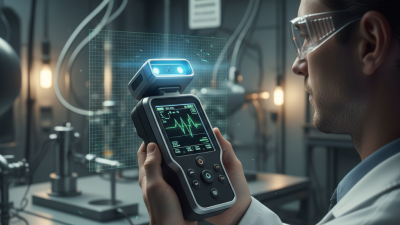
User interface design plays a crucial role in the usability of radiation monitors. A well-designed interface simplifies the user experience and ensures accurate readings. When users can navigate easily, they perform better under pressure. Cluttered screens and confusing menus increase anxiety. This design aspect should not be underestimated.
To enhance usability, consider using clear icons and concise language. Visuals should guide users without overwhelming them. A simple, intuitive layout helps users quickly locate crucial information. As technology evolves, monitors with touch interfaces offer a refreshing alternative. However, these must still maintain clarity.
Pay attention to color schemes. Bright colors can signal warnings, while softer tones can be calming during stressful situations. Test designs with real users to gather feedback. This iterative process uncovers hidden issues that could hinder performance. Understanding user needs leads to better radiation monitors and improved safety practices.
Portability and Durability: Factors Impacting Field Use of Monitors
Portability and durability are crucial for effective field use of radiation monitors. Many professionals rely on these devices in various environments, from emergency response to industrial applications. According to a recent industry report, over 70% of users prioritize portability due to frequent location changes. Light-weight designs enhance mobility, enabling users to transport devices easily. Compact monitors can fit into backpacks, allowing for agile field deployment.
Durability is equally important. Devices used outdoors face harsh conditions, such as moisture, dust, or extreme temperatures. Research indicates that monitors with IP67 ratings withstand water immersion and dust exposure. This resilience ensures accurate readings in challenging scenarios. Users have reported decreased equipment failure after selecting monitors built to endure physical stress. Selecting robust materials enhances longevity and reliability in varied field settings.
However, there is a balance to achieve. A very compact monitor might compromise sensitivity or battery life. Users need to evaluate trade-offs between size and performance. Gathering feedback from multiple users can highlight these issues, shaping better design in the future. Advanced features in portable monitors may add complexity, potentially affecting ease of use. A thorough understanding of how portability and durability impact daily operations remains essential for optimal performance in the field.

 Sensor
 Measuring Instruments
 Measurement Systems
 Architectural Physics Laboratory