Understanding Wet Bulb Globe Temperature: A Comprehensive Guide for Health and Safety in Extreme Weather
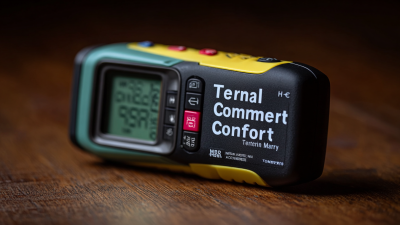
As extreme weather events become increasingly prevalent, understanding the complexities of heat stress management is crucial for public health and safety. The Wet Bulb Globe Temperature (WBGT) serves as a vital index for evaluating heat-related stress in various environments, linking temperature, humidity, and solar radiation into a single measurement. According to the National Institute for Occupational Safety and Health (NIOSH), heat-related illnesses are responsible for over 600 fatalities annually in the United States alone, highlighting the urgent need for proactive monitoring. Effective Wet Bulb Globe Temperature Monitoring allows organizations and individuals to make informed decisions to mitigate risks associated with heat exposure. By comprehensively understanding WBGT, stakeholders can better protect vulnerable populations during extreme weather conditions, ensuring a safer and healthier environment for all.
Understanding the Basics of Wet Bulb Globe Temperature and Its Importance in Health Safety
Wet Bulb Globe Temperature (WBGT) is a crucial metric for assessing environmental conditions, particularly during extreme weather. It combines air temperature, humidity, and solar radiation to provide a more comprehensive measure of heat stress than traditional temperature readings. Understanding the basics of WBGT is essential for anyone involved in health and safety, especially outdoor workers and athletes who are exposed to challenging climates.
The importance of WBGT in health safety cannot be overstated. By accurately measuring heat exposure, WBGT helps predict potential heat-related illnesses, enabling proactive measures to safeguard individuals' well-being. Organizations can implement heat stress prevention strategies based on WBGT readings, such as adjusting work/rest cycles, providing hydration breaks, and monitoring at-risk individuals. This awareness is vital not only for protecting workers but also for ensuring public health during heatwaves or when engaging in strenuous activities outdoors. Recognizing and applying WBGT values can significantly minimize health risks associated with extreme weather conditions.
Understanding Wet Bulb Globe Temperature: A Comprehensive Guide for Health and Safety in Extreme Weather
| Parameter |
Description |
Importance |
Risk Level |
| Wet Bulb Temperature (WBT) |
The lowest temperature that can be achieved through the evaporation of water. |
Indicates the humid conditions that stress the human body. |
Moderate to High |
| Globe Temperature (GT) |
Temperature measured by a black globe, reflecting heat radiation. |
Useful for assessing thermal stress in outdoor environments and workplaces. |
High |
| Heat Index (HI) |
A measure that combines air temperature and humidity to determine perceived temperature. |
Important for heat-related illness risk assessment. |
Varies (Low to Extreme) |
| Apparent Temperature |
The temperature that a person perceives, influenced by humidity, wind, and clothing. |
Key for individuals' comfort and safety in extreme weather. |
Moderate to High |
| Exposure Time |
Duration of exposure to high temperatures and humidity. |
Critical for assessing risk levels for heat exhaustion and heat stroke. |
High |
Key Indicators: How Wet Bulb Globe Temperature Correlates with Heat-Related Illnesses
Wet Bulb Globe Temperature (WBGT) is a crucial metric used to assess the heat stress on individuals during extreme weather conditions. This composite index takes into account not only temperature but also humidity, wind speed, and solar radiation, offering a more accurate reflection of environmental heat exposure. Elevated WBGT values correlate strongly with the onset of heat-related illnesses, such as heat exhaustion and heat stroke, which can pose serious health risks, particularly for vulnerable populations such as the elderly, children, and those with pre-existing health conditions.
Understanding the relationship between WBGT and heat-related illnesses can aid in the development of effective guidelines for outdoor activities and labor conditions. As WBGT rises, the likelihood of physiological stress increases, leading to impaired thermoregulation and potential health crises. By monitoring WBGT levels, individuals and organizations can implement preventive measures, such as scheduling breaks in shaded areas, ensuring adequate hydration, and wearing appropriate clothing. These strategies can significantly mitigate the risk of heat-related complications, making awareness of WBGT vital for health and safety in extreme weather environments.
Analyzing Extreme Weather Patterns: The Impact of Rising Temperatures on Wet Bulb Globes
The relationship between rising temperatures and wet bulb globe temperature (WBGT) is becoming increasingly critical as extreme weather patterns escalate. The WBGT is an index that combines air temperature, humidity, and radiative heat, providing a comprehensive measure of heat stress in humans. As global temperatures rise due to climate change, the frequency of extreme heat events is expected to increase, with significant implications for public health. The interaction of these factors creates conditions that can exceed safe limits, leading to heightened risks of heat-related illnesses and fatalities.
Moreover, the impact of extreme weather on the WBGT necessitates urgent attention from health and safety authorities. For example, higher humidity levels combined with soaring temperatures can lead to a rapid increase in the WBGT, challenging the body’s ability to cool itself. This is particularly concerning for vulnerable populations, including the elderly and those with pre-existing health conditions. Understanding these dynamics is essential for developing effective heat management strategies and implementing timely public health interventions to mitigate the risks associated with extreme weather.
Understanding Wet Bulb Globe Temperature Trends
This bar chart illustrates the trend of Wet Bulb Globe Temperature (WBGT) over recent years, highlighting the increasing risk of heat-related health issues due to extreme weather patterns.
Practical Tips for Using WBGT Readings in Occupational Health and Safety Protocols
Effective management of heat-related health risks in the workplace is crucial, especially during extreme weather conditions. The Wet Bulb Globe Temperature (WBGT) is a valuable metric for assessing environmental heat stress and its potential impact on worker safety. According to the American Conference of Governmental and Industrial Hygienists (ACGIH), a WBGT reading above 85°F (29.4°C) indicates that special precautions should be taken to protect workers from heat illness. Utilizing these readings as part of an occupational health and safety protocol can help mitigate risks.

Practical tips for implementing WBGT readings include regular monitoring during high-temperature periods, providing rest breaks in shaded or air-conditioned areas, and ensuring access to water for hydration. The National Institute for Occupational Safety and Health (NIOSH) suggests establishing a heat illness prevention program that incorporates WBGT data to tailor work-rest schedules accurately. For instance, in outdoor occupations, the NIOSH recommends adjusting work intensity based on WBGT ranges to maintain worker safety effectively, as evidenced by a significant reduction in heat-related incidents when these measures are adopted. By incorporating WBGT readings into daily operations, employers can enhance worker safety and health protocols during extreme heat conditions.
Mitigation Strategies: Enhancing Worker Protection Against Extreme Heat Events Using WBGT Data
Extreme heat events pose significant risks to worker health and safety, making it essential to implement effective mitigation strategies based on Wet Bulb Globe Temperature (WBGT) data. WBGT offers a comprehensive measurement that incorporates temperature, humidity, wind speed, and solar radiation, providing a more accurate assessment of heat stress than standard temperature readings alone. By utilizing WBGT data, employers can enhance their heat stress management programs, ensuring that workers are consistently monitored and protected during extreme weather conditions.
To safeguard workers, organizations should develop proactive intervention strategies, such as adjusting work schedules to avoid peak heat hours, providing regular hydration breaks, and ensuring access to shaded or air-conditioned areas. Additionally, training supervisors and workers on recognizing the signs of heat-related illnesses is crucial. By fostering a culture of safety that prioritizes the well-being of employees, organizations can reduce the incidence of heat-related illnesses and promote a healthier, more productive workforce. Integrating WBGT data into daily operations not only complies with health regulations but also demonstrates a commitment to worker safety in the face of rising temperatures and climate challenges.

 Sensor
 Measuring Instruments
 Measurement Systems
 Architectural Physics Laboratory