Leave Your Message

Top Heliodon Architecture Suppliers for Global Buyers?

For global buyers, choosing a Heliodon Architecture supplier requires more than comparing prices or product photographs. A heliodon must produce dependable solar studies, clear shadow patterns, and repeatable results across different building models. Suppliers should explain lamp specifications, latitude settings, rotation accuracy, model dimensions, safety controls, and calibration procedures. They should also provide installation training and responsive technical support. Small omissions can create expensive design errors.

Light matters deeply. Le Corbusier famously wrote, “Architecture is the masterly, correct and magnificent play of masses brought together in light.” His statement remains highly relevant to heliodon-based design evaluation. A strong supplier connects this architectural principle with practical engineering. Buyers should examine reference projects, laboratory experience, warranty terms, replacement parts, and export documentation. A dependable company can demonstrate its system using a physical model, adjustable solar angles, and visible shadow movement.

This guide reviews leading Heliodon Architecture suppliers for international purchasers. It considers build quality, customization, testing accuracy, user training, delivery capability, and long-term service. Regional voltage standards and after-sales response also deserve attention. They are often overlooked.

No supplier is perfect. Some systems may offer excellent precision but limited portability. Others may provide attractive pricing while lacking calibration records. Buyers should question unclear specifications and request demonstrations before ordering. The best choice depends on project scale, climate research goals, teaching needs, and available laboratory space. Careful comparison can turn a heliodon from a display instrument into a practical decision-making tool for architects, researchers, and urban planners.
Top Heliodon Architecture Suppliers for Global Buyers?

Heliodon Architecture: Purpose, Structure, and Core Applications

Heliodon Architecture: Purpose, Structure, and Core Applications

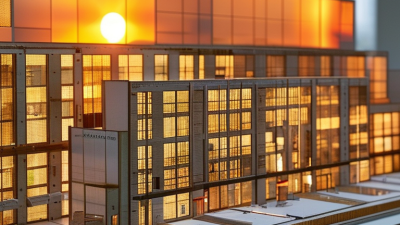
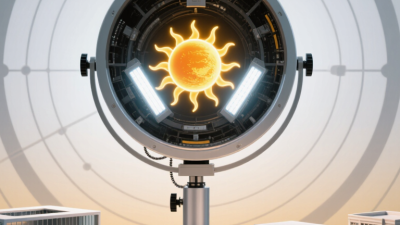
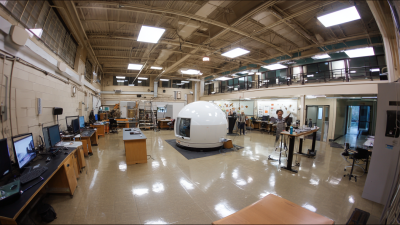
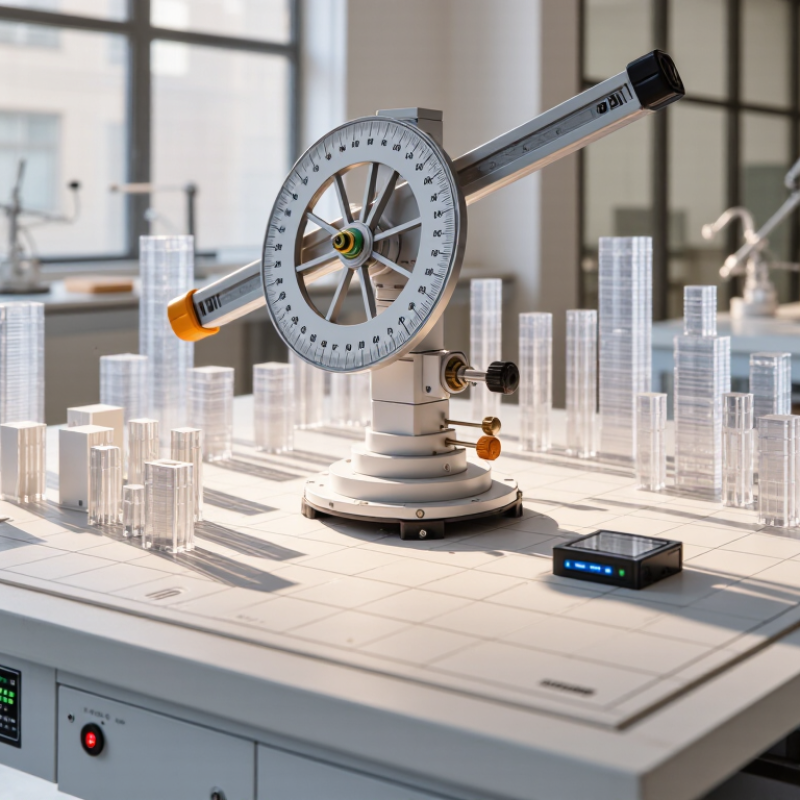
A heliodon is a physical daylight-testing instrument for architectural design. It combines a rotating platform, adjustable solar angles, and a scale model. The model sits beneath a controlled light source, often with movable lamps or a simulated sun path. Designers then observe shadows across walls, courtyards, streets, and roof surfaces.

The method is highly visual. A small model can reveal summer overheating, winter shading, or blocked daylight within minutes. Cameras and lux meters can strengthen the evidence, although basic visual testing remains useful.

The IEA’s 2023 Buildings report states that buildings consume about 30% of global final energy and produce roughly 26% of energy-related emissions.

Better solar analysis can support lower cooling demand, but a heliodon cannot replace climate data or energy simulation.

Core applications include façade studies, passive solar planning, urban massing, daylight education, and early-stage design reviews.

Global buyers should examine angular accuracy, platform size, light uniformity, model compatibility, and calibration records. Clear operating instructions also matter.

Poor calibration can create confident but misleading results. That risk is easy to overlook.

I have found that teams sometimes trust dramatic shadows more than measured evidence.

A stronger workflow combines heliodon observations with local weather files, glare analysis, and post-occupancy feedback.

UNEP’s 2023 Global Status Report also identifies buildings and construction as responsible for about 37% of global energy-related and process emissions, making practical solar evaluation increasingly relevant.

Key Features to Compare Among Heliodon Equipment Suppliers

Top Heliodon Architecture Suppliers for Global Buyers

When comparing heliodon equipment suppliers, start with sun-path accuracy. A dependable system should reproduce seasonal changes, solar angles, latitude, date, and time without complicated adjustments. Ask for calibration records and technical tolerances. Small alignment errors can distort a daylight study, especially on compact architectural models.

Lighting quality matters as much as mechanical precision. Check whether the system provides stable illumination, adjustable intensity, and clear shadows across the model surface. During a practical review, a model may look convincing under bright light but lose important details near corners. Suppliers should explain lamp performance, heat control, replacement intervals, and electrical compatibility for different regions. Request operating videos or verified test data.

Model capacity is another key comparison. Measure the largest model you expect to test, including surrounding buildings and landscape features. A cramped chamber reduces useful results. Look for durable construction, smooth positioning rails, accessible controls, and emergency shutoff protection. Installation guidance should include floor requirements, assembly steps, and ventilation needs. After-sales support also deserves close attention. Response times, spare-part availability, software updates, and remote troubleshooting can affect project schedules. Some suppliers provide excellent equipment but weak documentation. That weakness is easy to overlook. A transparent warranty, inspection checklist, and training session usually indicate stronger reliability. Pricing alone is not enough.

Leading Supplier Categories for Global Architecture Buyers

Global buyers need more than a heliodon supplier list. They need the right supplier category for each design stage. Specialist heliodon manufacturers provide adjustable sun-path instruments, model platforms, artificial lighting, and measurement accessories. These systems help architects test shadows on physical models. Small details matter, including latitude settings, lamp alignment, model scale, and calibration records.

Daylighting equipment suppliers serve a different need. They offer illuminance meters, sky simulators, glare tools, and façade testing systems. Software and digital simulation providers support faster comparisons across seasons and orientations. The IEA reports that buildings consume about 30% of global final energy and produce around 26% of energy-related emissions. Reliable solar analysis can therefore influence energy decisions, not only visual presentation. Still, software results can mislead when local weather files or material reflectance values remain generic.

Research laboratories and custom engineering suppliers support complex projects. They may build project-specific heliodon rigs, validate physical models, or combine solar and daylight testing. The UNEP 2023 Global Status Report states that buildings and construction account for approximately 34% of global energy demand and 37% of energy-related emissions. Buyers should request calibration certificates, technical training, replacement-part availability, and documented testing procedures. Warranty length alone is not enough. A low-cost system may become expensive after one failed lamp or missing adapter. Supplier comparisons should include installation time, operator skill, export documentation, and regional service capacity. There is no perfect ranking. Procurement teams sometimes overvalue impressive demonstrations and undercheck measurement repeatability.

Top Heliodon Architecture Suppliers for Global Buyers — Leading Supplier Categories for Global Architecture Buyers

Category-level comparison of commonly specified heliodon systems, components, services, and procurement considerations.

Global Heliodon Supplier Category Matrix
Supplier Category Typical Product or Service Core Technical Dimensions Common Architecture Applications Global Buyer Evaluation Criteria Relevant Standards or Documentation
Complete Heliodon System Integrators Integrated sun-path simulator with a rotating test platform, artificial light source, controls, and project documentation. Latitude simulation commonly covering approximately 0°–90°; adjustable azimuth; model platforms sized according to project scale; programmable operating cycles. Daylight studies, solar access, shadow analysis, massing tests, façade studies, and urban planning demonstrations. System accuracy, repeatability, available model size, installation requirements, training, calibration, warranty, and after-sales support. Electrical safety file, user manual, calibration record, installation drawings, risk assessment, and applicable local electrical regulations.
Solar-Path Lighting Assemblies Artificial sun or directional lighting assembly designed to reproduce solar angles for architectural models. Adjustable elevation and azimuth; controlled beam direction; stable color output; dimming or intensity control; replaceable light source. Window placement, shading devices, overhangs, courtyards, atriums, and building orientation studies. Angular precision, thermal management, light uniformity, service life, control interface, spare-parts availability, and operating cost. Photometric data, operating instructions, photobiological safety information where applicable, and electrical conformity documentation.
Rotating Test Platforms Manual or motorized platforms for rotating physical building and urban models through simulated solar positions. Azimuth rotation typically up to 360°; defined load capacity; platform flatness; angular scale; locking or motor-control mechanism. Building orientation, urban block shadowing, site planning, public-realm studies, and retrofit option comparisons. Payload capacity, usable diameter, rotation smoothness, vibration control, surface durability, accessibility, and replacement components. Load-test information, mechanical drawings, operating limits, maintenance schedule, and machinery or equipment safety requirements.
Heliodon Control and Automation Suppliers Digital controllers, motor drives, timer systems, touch interfaces, and software-assisted solar-position settings. Date, time, latitude, longitude, azimuth, elevation, speed, repeatable presets, emergency stop, and user access controls. Teaching laboratories, repeatable design experiments, demonstration rooms, and multi-user architectural research facilities. Interface usability, data logging, language support, cybersecurity for networked controls, compatibility with existing hardware, and technical support. Control-system diagrams, software documentation, firmware policy, user permissions, electrical schematics, and commissioning records.
Architectural Model Fabrication Suppliers Physical site, building, façade, and shading models prepared for heliodon testing. Scale selection; material opacity; surface reflectance; model resolution; removable components; site-context coverage; orientation reference marks. Early-stage massing, façade optimization, daylight access, solar shading, and comparative design testing. Dimensional accuracy, material consistency, modularity, durability, delivery protection, revision flexibility, and compatibility with the test platform. Approved drawings, scale statement, material schedule, assembly instructions, tolerance information, and revision-control documents.
Daylight and Solar-Analysis Consultants Testing services, experiment design, interpretation, reporting, and training for physical heliodon studies. Site latitude and orientation; seasonal dates; time intervals; shadow length; solar altitude; azimuth; observation and recording method. Design validation, planning submissions, educational demonstrations, façade performance, and post-occupancy investigations. Method transparency, reproducibility, consultant qualifications, reporting format, turnaround time, site-specific assumptions, and integration with simulation software. Test protocol, measurement uncertainty statement, project assumptions, photographs, calculation records, and applicable daylight guidance.
Educational and Research Laboratory Suppliers Teaching-oriented heliodon kits, laboratory benches, demonstration models, and experimental accessories. Compact footprint; simplified controls; visible solar-path indicators; modular models; safe low-voltage components where specified. Architecture schools, environmental design courses, climate-responsive design research, and public exhibitions. Ease of use, classroom safety, storage, student access, setup time, curriculum materials, maintenance needs, and total cost of ownership. Teacher guide, laboratory safety procedure, equipment inventory, learning objectives, maintenance checklist, and electrical documentation.
Calibration, Maintenance, and Retrofit Providers Inspection, alignment, light-source replacement, control upgrades, mechanical servicing, and performance verification. Angular alignment; platform level; light-source position; control response; repeatability; component condition; documented service intervals. Existing university laboratories, design studios, museums, research centers, and demonstration facilities. Availability of replacement parts, technician competence, service response, calibration traceability, upgrade compatibility, and downtime planning. Service report, calibration certificate, before-and-after measurements, parts list, maintenance log, and updated risk assessment.

Buyer note: Technical ranges and features shown are representative procurement dimensions for heliodon equipment and services. Final specifications should be confirmed against the supplier’s current technical documentation, site conditions, local regulations, and project requirements.

International Standards, Customization, and Technical Support

Choosing heliodon architecture suppliers for global projects requires more than comparing prices. Buyers should examine compliance with recognized international standards, including electrical safety, structural stability, measurement accuracy, and documentation quality. A dependable supplier can provide test reports, calibration records, material specifications, and clear installation instructions. These details matter when equipment travels across climates and construction practices.

Customization is equally important. A university laboratory may need a compact heliodon with adjustable lighting, while an architectural firm may require a larger platform for physical models and facade studies. Useful options include variable sun angles, programmable lighting paths, interchangeable model bases, and compatible software interfaces. Ask for dimensional drawings before production. Small oversights can create expensive installation problems.

Technical support should continue after delivery. Remote commissioning, operating manuals, spare parts, and response-time commitments reveal a supplier’s reliability. Practical support matters. A technician should explain how to align the light source, secure the model, and verify shadow accuracy. Buyers should also confirm training for local staff and assistance across time zones. No specification is perfect. Some suppliers may promise extensive customization but provide limited engineering evidence. Request a sample report, review the proposed workflow, and test communication before signing. Clear records and honest limitations are stronger indicators than polished sales language.

How to Evaluate Pricing, Delivery, and After-Sales Service

For global buyers, a heliodon’s price should mean more than the equipment invoice. Request a landed-cost quotation covering calibration, protective packaging, freight, import duties, installation, and training. The World Bank’s 2023 Logistics Performance Index assessed 139 economies and showed wide differences in customs, infrastructure, and delivery reliability. A cheaper unit may become expensive after port delays or replacement parts. Compare equivalent specifications, including lamp accuracy, seasonal settings, working-surface size, and calibration certificates. Ask for three years of operating costs. Do not guess.

Delivery evidence matters. Require a production schedule, inspection photographs, serial-number records, and a shipping route with named milestones. The RICS Global Construction Monitor repeatedly identifies cost pressure and supply-chain uncertainty as major market concerns. Those findings apply to specialist architectural equipment too, even when the order is small. A supplier promising “fast delivery” should define the phrase in calendar days. Partial shipments can also create installation problems. One missing adapter may stop a complete teaching laboratory.

After-sales service separates a dependable supplier from a difficult transaction. Request response-time commitments, remote troubleshooting procedures, spare-parts availability, and technician coverage in your region. ISO 9001 quality practices can support consistency, but certification alone does not prove useful service. Ask for anonymized service records or customer references. Support matters. In my experience, buyers often overvalue dramatic discounts and undervalue calibration recovery after transit. That judgment can be wrong when budgets are tight, yet ignoring service risk is usually harder to defend. A written warranty should state exclusions, labor coverage, and the process for resolving repeat faults.

Top Heliodon Architecture Suppliers for Global Buyers

How to evaluate pricing, delivery, and after-sales service

This buyer scorecard uses a 100-point evaluation model: total landed cost accounts for 35 points, delivery reliability for 25 points, technical compliance for 20 points, and after-sales support for 20 points. Buyers should verify quotations, production lead times, warranty terms, spare-part availability, installation support, and applicable electrical or safety documentation before placing an order.