What is a Temperature and Humidity Sensor and How Does It Work?
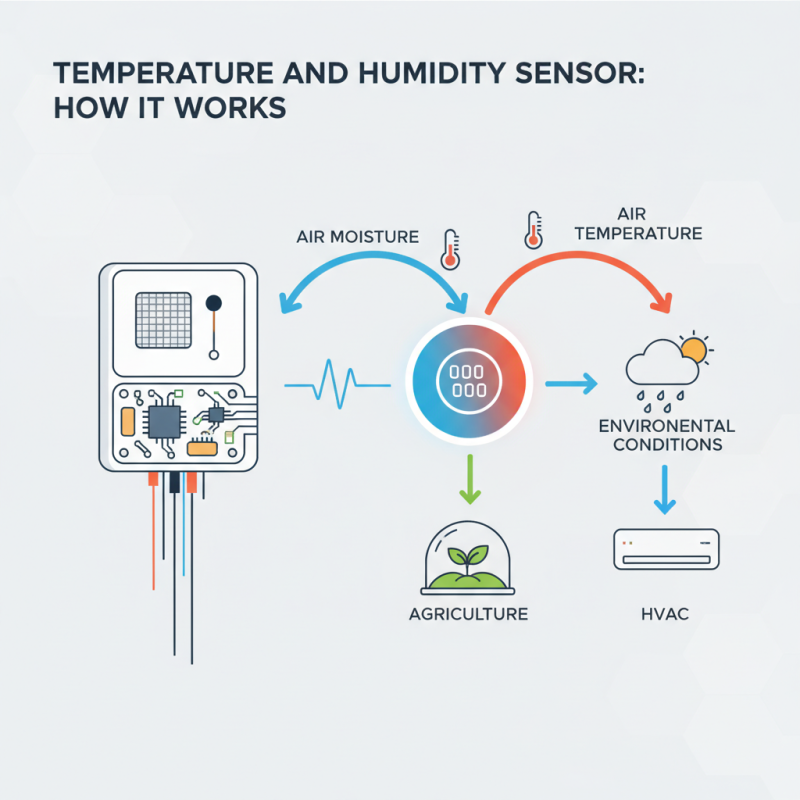
Temperature and Humidity Sensors play a crucial role in many environments. These sensors measure air temperature and moisture levels. They are essential in various industries, such as agriculture and HVAC. Understanding how these sensors work can improve efficiency and comfort.
In simple terms, a Temperature and Humidity Sensor detects environmental conditions. It converts these conditions into readable data. For instance, in a greenhouse, these sensors help monitor plant health. They ensure that crops receive the right moisture and temperature. This prevents waste and enhances growth.
However, not all sensors are perfect. They can sometimes give inaccurate readings. Calibration is key but often overlooked. Understanding their limitations is important. A Temperature and Humidity Sensor is not just a gadget; it’s a tool for better living.
What Are Temperature and Humidity Sensors?
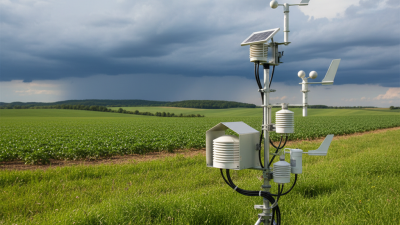
Temperature and humidity sensors are vital in various applications. They measure environmental conditions. By detecting temperature variations and humidity levels, these devices provide essential data. Often used in weather stations, HVAC systems, and greenhouses, their functionality is crucial for maintaining optimal conditions.
These sensors usually employ thermistors or capacitive humidity sensors. A thermistor changes resistance with temperature. Conversely, capacitive sensors detect moisture changes in the air. Together, they offer precise readings. Understanding how these devices work can help improve climate control and comfort.
Tip: Regularly calibrate your sensors to maintain accuracy. A small deviation can lead to significant issues in sensitive environments. Also, consider the placement of your sensors. Avoid direct sunlight and areas where airflow is obstructed. This simple step enhances their performance.
Sometimes, the readings may not match expectations. Factors like dust or incorrect installation can affect outcomes. Troubleshooting might be necessary. Regular maintenance and checks can prevent common issues. Embracing these practices leads to improved reliability in monitoring systems.
Components of Temperature and Humidity Sensors
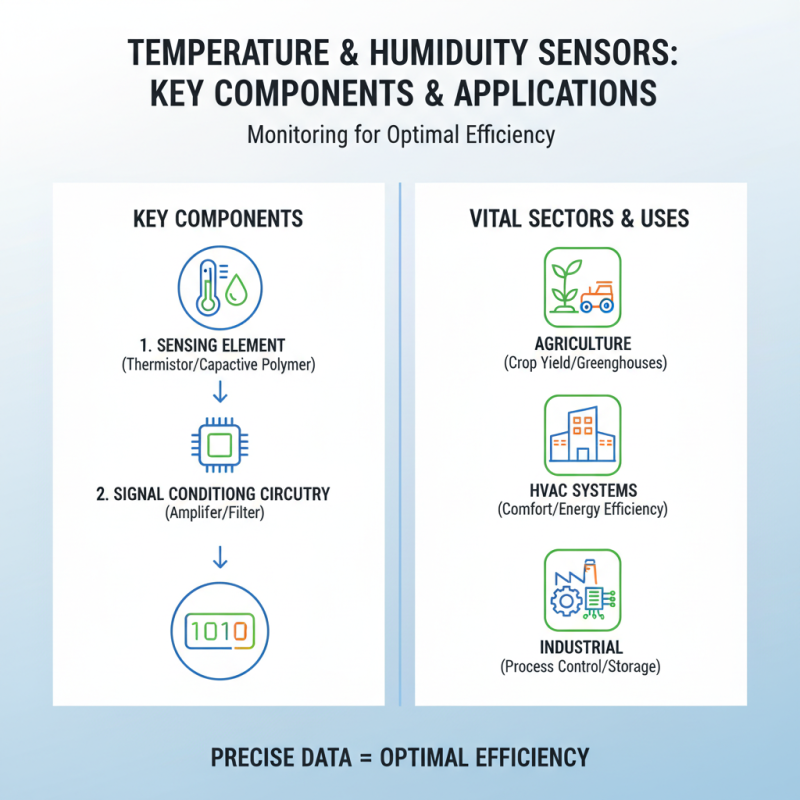
Temperature and humidity sensors are vital in many sectors, from agriculture to HVAC systems. These devices help monitor environmental conditions, ensuring optimal operational efficiency. At the core of these sensors are several key components that work together to collect precise data.
One primary component is the sensing element, which detects temperature changes. Common materials include thermistors and resistance temperature detectors (RTDs). Another critical part is the humidity sensor, often using capacitive or resistive technology. Capacitive sensors measure moisture by detecting changes in capacitance due to moisture absorption. This combination allows for accurate readings in various environments.
Tips: Regular calibration of sensors is crucial for maintaining accuracy. It is advisable to benchmark readings against a known standard every few months. This practice ensures that any drift in measurement is corrected.
Integration with other systems enhances functionality. Many modern sensors connect seamlessly with IoT devices. This capability allows for remote monitoring and real-time data analysis. Data could show that temperature fluctuations could lead to equipment failure. However, inconsistent data can occur due to poor sensor placement. Placing sensors away from direct sunlight or heating sources is essential.
Monitoring temperature and humidity can improve product quality in storage facilities. Over 30% of products can degrade in unfavorable humidity conditions. Balancing technology with environmental challenges can enhance system reliability and efficiency.
How Temperature and Humidity Sensors Work
Temperature and humidity sensors play a critical role in many industries. These sensors measure the atmospheric conditions, providing crucial data. They often use various technologies, like capacitive or resistive sensing, to function effectively.
A capacitive humidity sensor typically consists of two conductive plates separated by a dielectric material. When humidity changes, the dielectric constant shifts, altering the capacitance. This change is converted into an electronic signal, allowing for accurate readings. According to a report by MarketsandMarkets, the global temperature and humidity sensor market is projected to reach $3 billion by 2025, indicating the growing demand for accurate environmental monitoring.
However, some sensors may not deliver consistent results. Calibration issues can lead to discrepancies, especially in extreme conditions. Too much reliance on these devices without regular checks can result in errors. For instance, a sensor might register high humidity indoors, while the actual level is significantly lower. This inconsistency highlights the importance of maintenance and periodic verification in sensor-based systems.
Applications of Temperature and Humidity Sensors
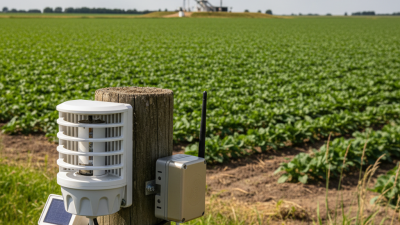
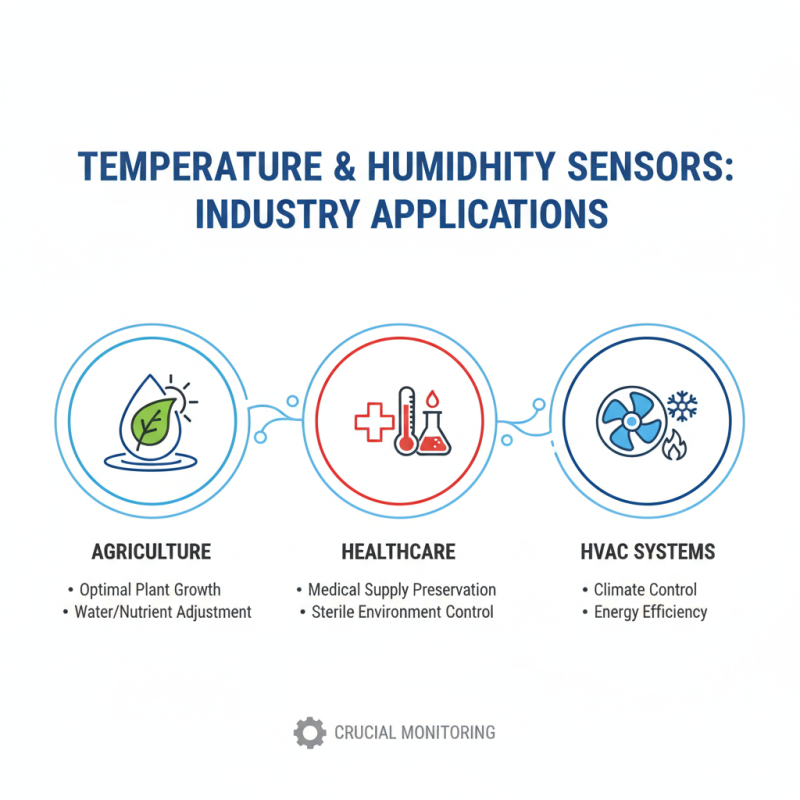
Temperature and humidity sensors are crucial in various industries. They find applications in agriculture, healthcare, and HVAC systems. In agriculture, these sensors help monitor the environment for optimal plant growth. Farmers can adjust watering and nutrient levels effectively. In healthcare, precise temperature and humidity control is vital for preserving medical supplies.
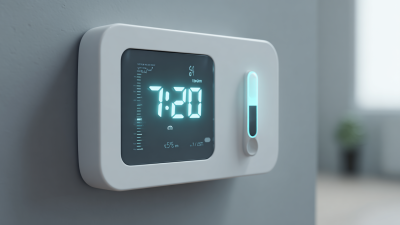
Many HVAC systems utilize these sensors for maintaining indoor climate. They ensure efficiency, reducing energy costs while enhancing comfort. In smart homes, these sensors contribute to automation, automatically adjusting thermostats and dehumidifiers. This technology improves air quality, benefiting health and well-being.
**Tips**: Regular maintenance of sensors is important. Dust and moisture can affect accuracy. Place sensors away from heat sources for best results. Check calibration periodically. Even minor changes can lead to inaccurate readings. Reflect on your setup. Ensure the sensors fit your specific needs and environment. Adjustments might be necessary over time.
Benefits of Using Temperature and Humidity Sensors
Temperature and humidity sensors play a crucial role in a variety of industries. They monitor environmental conditions and ensure optimal performance. For example, the global market for these sensors is projected to reach $2.5 billion by 2026. This demand highlights their importance for efficient operations.
Using temperature and humidity sensors can significantly improve product quality. In agriculture, they help maintain the right conditions for crops, ensuring higher yields. In pharmaceuticals, precise monitoring prevents spoilage, which can save companies significant costs. According to recent reports, improper conditions can lead to a
30% decrease in product effectiveness.
Tip: Regularly calibrate your sensors. This ensures accuracy and longevity. Additionally, consider integrating sensors with IoT systems for real-time data access. Real-time insights can lead to timely interventions, enhancing efficiency. Remember, even the best sensors can fail under poor usage practices. It’s essential to check their conditions frequently to avoid operational hiccups.

 Sensor
 Measuring Instruments
 Measurement Systems
 Architectural Physics Laboratory