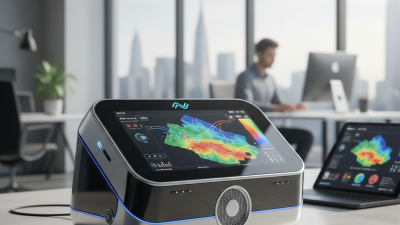
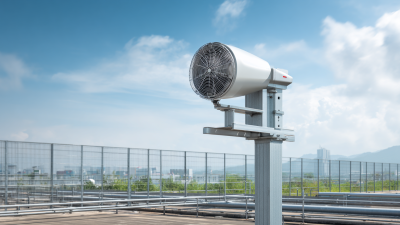
Top Reasons to Use a Radiation Monitor for Safety and Protection?
In today's world, ensuring safety from radiation exposure is crucial. Dr. John Raymond, a leading expert in radiation safety, states, “A Radiation Monitor is essential for protecting both workers and the public.” This highlights the importance of these devices in various settings.
Radiation exposure can happen in many environments, from medical facilities to industrial sites. A Radiation Monitor provides real-time data, allowing immediate action if levels become unsafe. However, not all organizations use these monitors effectively. Some may overlook their potential, underestimating the risks.
Using a Radiation Monitor goes beyond compliance; it promotes a culture of safety. When employed correctly, these devices can save lives and prevent health issues. Yet, awareness and regular training are often neglected. It’s essential to reflect on how we utilize these tools for maximum safety.
Importance of Radiation Safety in Various Environments
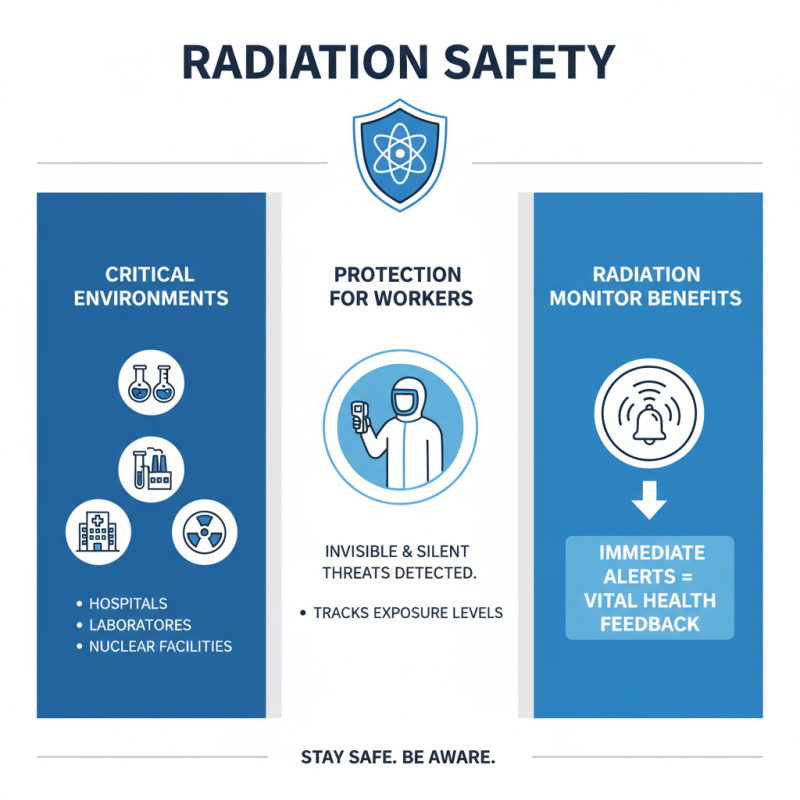
Radiation safety is crucial in many environments, including hospitals, laboratories, and nuclear facilities. Workers in these settings may be exposed to harmful radiation. Using a radiation monitor helps track exposure levels. These devices can detect radiation types that are invisible and silent. They alert users when exposure exceeds safe limits. This immediate feedback is vital for health.
In everyday life, we encounter radiation sources. They come from natural minerals and even some household items. Being unaware of these sources can lead to unintentional exposure. An effective radiation monitor provides peace of mind. It encourages safety awareness by showing real-time data. Users can see fluctuations in levels and adjust their activities accordingly.
However, reliance on technology has its downsides. Monitors may fail or give false readings. It's essential to remain vigilant even with a device at hand. Regular checks and maintenance are necessary. Users must also be educated on the limits of their monitors. A false sense of security can be dangerous. Awareness and education are key components of radiation safety.
Understanding the Basics of Radiation Monitoring Technology
Radiation monitoring technology plays a vital role in ensuring safety across various industries. It detects ionizing radiation, including alpha and beta particles and gamma rays. Accurate readings are crucial for minimizing exposure. For instance, research suggests that monitoring can reduce exposure risk by up to 80% in certain environments.
Effective radiation monitors use detection methods like Geiger-Müller tubes and scintillation counters. These tools provide real-time data. Regular monitoring helps in identifying potential hazards before they escalate. A 2022 report highlighted that 15% of reported incidents involved delayed responses due to inadequate monitoring systems. This statistic underscores the importance of reliable equipment and trained personnel.
Many facilities still rely on outdated technology. This can lead to blind spots in safety management. A survey indicated that around 25% of workplaces lack adequate radiation protocols. Such gaps can jeopardize employee safety in high-risk areas. Understanding and improving monitoring technology is essential. It’s not just a regulatory requirement; it’s a commitment to protection.
Top Reasons to Use a Radiation Monitor for Safety and Protection
This chart illustrates the key reasons for using radiation monitors, highlighting the effectiveness of monitoring technology in ensuring safety and protection.
Key Benefits of Using a Radiation Monitor for Personal Safety
Using a radiation monitor is crucial for personal safety. These devices can detect harmful radiation levels in various environments. This is especially important for workers in industries like healthcare or construction. They often encounter radiation sources during their daily tasks. A radiation monitor allows individuals to measure exposure accurately. This knowledge empowers users to take necessary precautions.
Moreover, having a radiation monitor can improve peace of mind. Daily life exposes people to natural background radiation. Knowing that you can monitor levels helps alleviate fears. Personal monitors are often portable and easy to use. You can carry them around, which enhances safety wherever you go. The quick detection of radiation can prevent long-term health risks from exposure.
Some might overlook the importance of using such devices. People may think, "It won't happen to me." However, risks often lie in the unexpected. Environmental conditions change, leading to sudden exposure. By monitoring radiation, you can make informed decisions about safety. Reflecting on the potential hazards can lead to better protective behaviors. Ultimately, it’s about being proactive in safeguarding your health.
Applications of Radiation Monitors in Different Industries
Radiation monitors play a crucial role in various industries. In healthcare, these devices ensure safe exposure levels for patients and staff. Hospitals use them to track radiation during procedures like X-rays. This monitoring helps prevent unnecessary exposure. When working with radioactive materials, staff must be protected.
In the nuclear power sector, radiation monitors are essential. They detect leaks and manage radiation levels. Regular monitoring helps maintain safety in power plants. Workers wear personal dosimeters to measure their exposure. These devices provide real-time data, fostering a secure work environment.
Moreover, in research labs, radiation monitors are indispensable. Researchers use them to track radiation from experiments. They ensure safe working conditions, minimizing risks. Monitoring equipment often needs adjustments. This can lead to data inconsistencies, prompting reflection on current practices. Each industry relies on effective radiation monitoring for safety and compliance.
Best Practices for Utilizing Radiation Monitors Effectively
Radiation monitors are essential tools for ensuring safety in various environments. To use them effectively, users must be familiar with their features and limitations. Knowing how to read the measurements is crucial. Display readings may fluctuate, leading to confusion. Don't panic from small spikes; understand the context instead. Regular training in interpreting data fosters confidence.
Calibration is another key practice. Regular checks ensure accuracy. Users might forget to do this, leading to false readings. Create a routine; check instruments weekly or monthly. This habit builds reliability and protects against negligence. Additionally, wearing personal dosimeters while working can provide real-time feedback on exposure levels.
Communication is vital in this process. Sharing concerns with peers promotes a safer workplace. Encourage open discussions about any anomalies detected. Use the monitor's data to inform decisions. Sometimes, a simple alert can prevent potential hazards. Not every warning will be accurate; reflecting on past experiences helps in understanding. Balancing caution with knowledge is essential for effective monitoring.
Top Reasons to Use a Radiation Monitor for Safety and Protection - Best Practices for Utilizing Radiation Monitors Effectively
| Reason |
Description |
Best Practices |
| Occupational Safety |
Radiation monitors help ensure workplace safety by detecting harmful radiation levels. |
Regularly calibrate monitors and train employees on proper usage. |
| Environmental Protection |
Monitors help in assessing environmental radiation and preventing pollution. |
Conduct periodic environmental assessments and keep records of findings. |
| Regulatory Compliance |
Using monitors ensures compliance with local radiation safety regulations. |
Stay updated on regulations and prepare for inspections with proper documentation. |
| Emergency Preparedness |
Quick detection of radiation in emergencies can save lives and minimize risks. |
Include monitors in emergency response kits and train staff on emergency protocols. |
| Public Health Monitoring |
Monitors can track public exposure to radiation and protect community health. |
Engage with community health initiatives and report on radiation levels regularly. |

 Sensor
 Measuring Instruments
 Measurement Systems
 Architectural Physics Laboratory