Measuring Comfort Levels in Global Procurement Tips for Success?
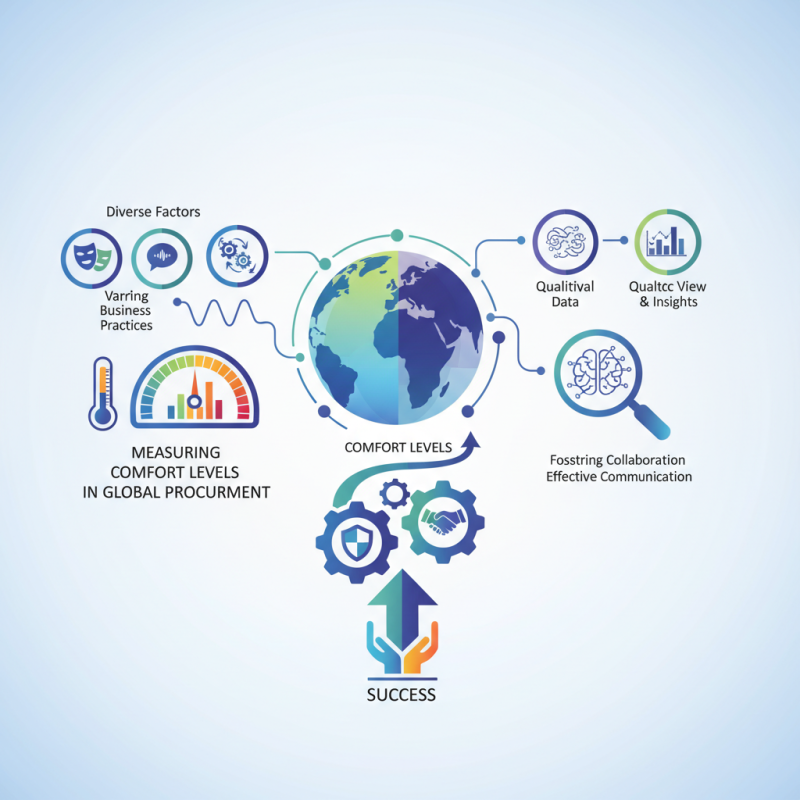
In the realm of global procurement, measuring comfort levels among stakeholders is crucial to success. Organizations often face various challenges when navigating international markets. Understanding how comfortable team members feel can directly impact decision-making processes. It is essential to gauge these comfort levels to foster collaboration and ensure effective communication.
Procurement teams must recognize the diverse factors influencing comfort levels. Cultural differences, language barriers, and varying business practices can create friction. By actively measuring these factors, organizations can fine-tune their strategies. Engaging team members in discussions can uncover insights that quantitative metrics may miss. These conversations can illuminate hidden discomforts that need addressing.
Moreover, relying solely on traditional metrics can lead to an incomplete picture. Procurement teams should embrace a holistic view, collecting both qualitative and quantitative data. This approach encourages reflection and adaptation. If comfort levels are low, procurement strategies might require reevaluation. Leadership should prioritize building an environment where everyone feels heard and valued.
Understanding Comfort Levels in Global Procurement Settings
In global procurement, understanding comfort levels is crucial. Comfort levels refer to how individuals or organizations navigate complexities. A recent survey indicates that over 70% of procurement professionals find comfort in established supplier relationships. Trust plays a vital role in this process. Reliable suppliers can reduce uncertainty.
Interestingly, a significant 45% of respondents expressed discomfort with digital procurement methods. This discomfort often stems from cybersecurity concerns. Procurement leaders identified the need for training in digital tools. Sustainability also emerged as a notable factor. According to a 2023 report, 60% of organizations prioritize sustainable practices. This shift impacts comfort levels, as companies seek ethical suppliers.
Improving comfort in global procurement involves continuous learning. Bridging the knowledge gap is essential. Organizations must invest in training and resources. Regular feedback from teams can enhance comfort. Addressing individual concerns fosters a collaborative environment. Reducing discomfort leads to better decision-making and long-term success.
Factors Influencing Comfort Levels in Global Procurement
Global procurement presents both opportunities and challenges. Comfort levels in this arena are influenced by several factors. A recent report by Deloitte highlighted that 70% of organizations struggle with supplier relationship management. Managing these relationships can significantly impact procurement success.
As organizations operate across borders, cultural differences become apparent. For instance, a study from the Chartered Institute of Procurement & Supply found that 62% of procurement professionals faced communication barriers. These barriers often lead to misunderstandings and project delays. A nuanced understanding of local practices can enhance comfort in negotiations.
To increase comfort levels, organizations should focus on developing their team's cultural competencies. Training sessions on cultural awareness can reduce friction. Additionally, organizations might consider establishing clear communication channels with suppliers. Regular check-ins can help maintain alignment and trust. Using technology for real-time updates can further streamline this process, as reported by the Procurement Leaders Network, where 80% noted improved efficiency with such tools.
It’s important to reflect on your current procurement strategies. Are they adaptable? Comfort isn’t just about familiarity; it’s about staying agile in a dynamic environment. Regular evaluations can uncover areas needing improvement, ensuring procurement teams are both resilient and effective.
Strategies to Enhance Comfort in Global Procurement Processes
Global procurement can be a daunting task. Building comfort within this process is crucial for success. Research indicates that companies practicing effective procurement experience up to 20% cost savings. It's essential to enhance comfort levels through targeted strategies.
Clear communication is vital in global procurement. Misunderstandings can lead to delays or cost overruns. Establishing a common language and framework for all parties involved helps minimize confusion. Regular updates and feedback loops can further strengthen relationships.
Tip: Create a tailored communication plan. Consider cultural differences when drafting messages. This approach shows sensitivity and respect toward your partners.
Emphasizing risk management also encourages comfort. According to industry reports, 65% of companies cite risk as a top concern. Developing a comprehensive risk assessment strategy can alleviate anxiety. Engage all stakeholders in identifying potential risks and solutions.
Tip: Implement regular training on risk management practices. This ensures everyone understands their role and responsibilities. Through proactive measures, teams can navigate uncertainties more confidently.
Measuring and Assessing Comfort Levels: Tools and Techniques
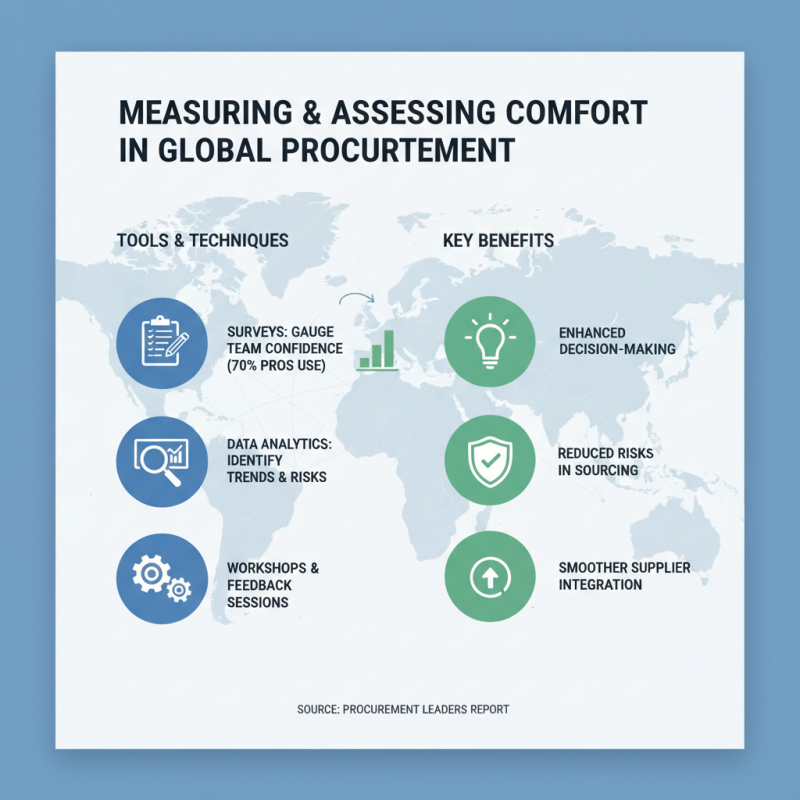
In the realm of global procurement, measuring comfort levels is crucial for effective decision-making. Various tools and techniques exist to assess and enhance these comfort levels. Data from the Procurement Leaders report suggests that 70% of procurement professionals use surveys to gauge comfort levels. Surveys can reveal insights about team confidence and readiness for sourcing new suppliers, but they must be designed carefully.
Additionally, workshops and training sessions provide a direct approach to measure comfort. These interactive sessions encourage participation and feedback. An established framework, like the one proposed by the Institute for Supply Management, recommends that comfort assessments include both qualitative and quantitative metrics. However, many organizations struggle to implement these evaluations effectively.
Another technique involves using technology-based solutions to gather real-time data on procurement activities. An analysis by Gartner shows that companies employing digital tools experience a 25% increase in procurement efficiency. Yet, reliance on technology can sometimes lead to overconfidence in data. It is essential to focus not just on numbers, but on the underlying human factors that influence comfort levels. Balancing these factors may present challenges, yet it is vital for successful global procurement initiatives.
Best Practices for Successful Global Procurement Operations
In the realm of global procurement, successful operations are more crucial than ever. According to a report by Deloitte, 79% of executives highlight that effective procurement helps improve overall business performance. This underscores the need for best practices that truly resonate across various markets.
One approach is fostering collaboration. Frequent communication among teams can bridge cultural gaps. A recent study from the Institute for Supply Management found that organizations that prioritize teamwork see a 25% increase in efficiency. However, achieving this is not easy. Different time zones and local customs can create silos in information flow.
Additionally, leveraging technology can enhance procurement processes. Digital tools streamline workflows and data analysis, improving decision-making. A McKinsey report indicates that firms utilizing advanced analytics can reduce procurement costs by up to 10%. Yet, tech adoption often faces resistance. Employees need proper training to embrace new tools fully. Balancing innovation with workforce readiness is vital for long-term success.
Measuring Comfort Levels in Global Procurement Tips for Success? - Best Practices for Successful Global Procurement Operations
| Country |
Comfort Level (1-10) |
Key Challenges |
Best Practices |
| Germany |
8 |
Regulatory Compliance, Cultural Differences |
Local Partnerships, Regular Training |
| China |
7 |
Supply Chain Transparency |
Clear Communication, Technology Utilization |
| Brazil |
6 |
Political Instability |
Risk Assessment, Diversified Sourcing |
| India |
9 |
Infrastructure Issues |
Infrastructure Investment, Local Expertise |
| Canada |
8 |
Tariff Changes |
Agile Sourcing Strategies |

 Sensor
 Measuring Instruments
 Measurement Systems
 Architectural Physics Laboratory