2026 How to Implement a Thermal Comfort Measuring System Effectively?
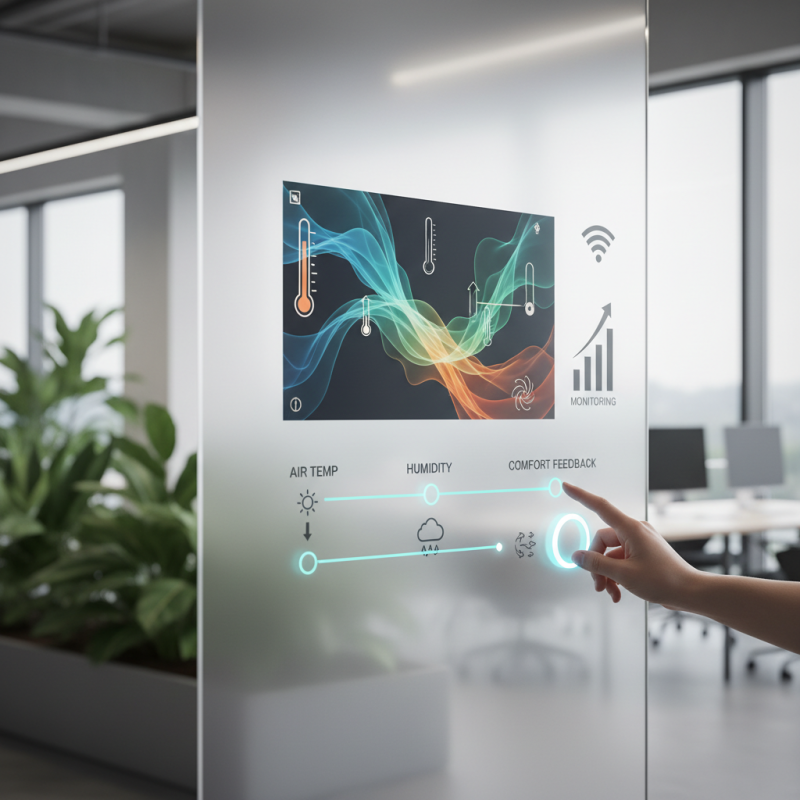
Implementing a Thermal Comfort Measuring System is essential for improving indoor environments. This system evaluates thermal conditions, ensuring occupant comfort. However, the process is not as straightforward as it seems.
Many factors influence thermal comfort, including humidity and air movement. Choosing the right technology can be challenging. It requires careful consideration of various elements, such as accuracy and usability. A balance is needed between technical specifications and user experience.
Ensuring that the system is effective requires constant monitoring. It's not a one-time setup. Feedback from users is crucial. Sometimes, the system may need adjustments based on changing conditions. Regular assessments can reveal areas for improvement and enhance overall effectiveness.
Understanding Thermal Comfort: Key Metrics and Standards
Understanding thermal comfort is essential for creating pleasant indoor environments. It involves several key metrics. Among these, temperature, humidity, and air velocity stand out. These factors combine to influence how occupants feel in a space. A comfortable setting typically has a temperature between 20°C and 24°C. However, personal preferences can vary widely.
Relative humidity plays a crucial role too. The ideal range is often between 40% and 60%. When humidity levels are too high, it can feel sweltering. Conversely, low humidity can make the air feel colder. Air velocity affects the cooling effect on occupants. Moderate air movement can enhance comfort. Yet, too much can create drafts and irritation.
Implementing a thermal comfort measuring system requires ongoing attention. Many settings overlook seasonal changes, leading to discomfort. Regular assessments are necessary to ensure standards are met. Data collection can be messy. It might reveal unexpected trends or discomfort hotspots. Engaging with occupants can help in understanding their needs. This feedback can refine the measurement process. It’s a continuous journey, not a one-time solution.
Identifying the Right Tools for Thermal Comfort Measurement
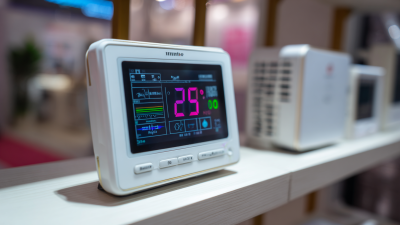
Identifying the right tools for thermal comfort measurement is crucial for effective implementation. Various instruments can help in assessing thermal comfort conditions. Portable devices, like temperature and humidity meters, offer quick results. They are easy to use and ideal for on-site evaluations.
Digital data loggers are also valuable. They can track temperature and humidity over time. By analyzing this data, trends become clear. This information helps in identifying problem areas. It's helpful to consider the environment before selecting tools, as outdoor and indoor settings pose different challenges.
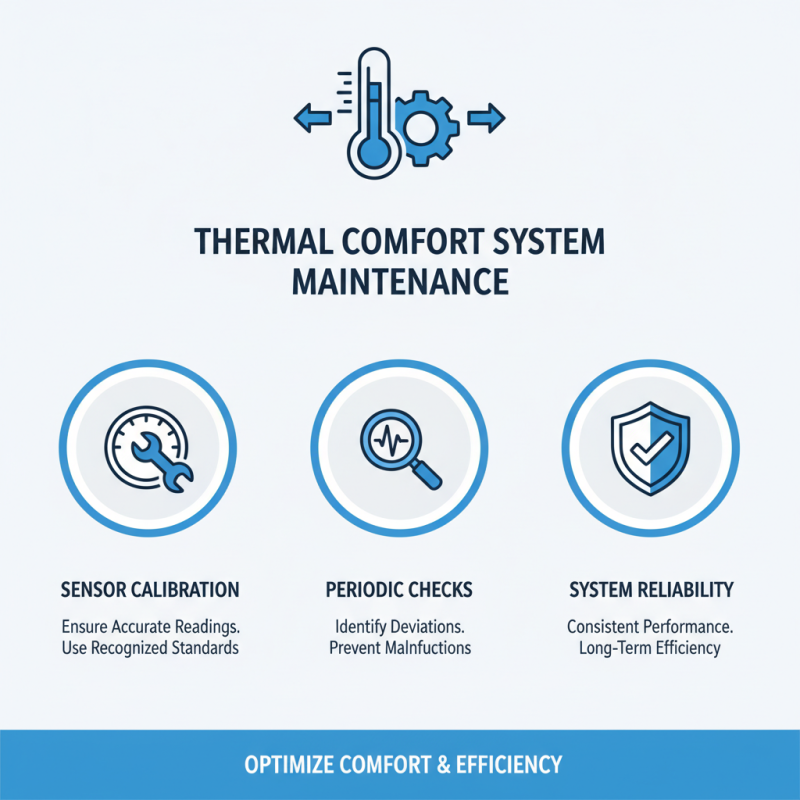
Tips: Always calibrate your tools. Regular maintenance keeps measurements accurate. Consider the context of your measurements. Personal preferences vary, so adapt tools accordingly. Engaging with occupants can provide insights. Their feedback enriches data analysis but may introduce bias. Balancing objective measurements with subjective feedback is essential for a complete understanding of thermal comfort.
Implementing Data Collection Strategies for Accurate Analysis
Implementing an effective thermal comfort measuring system requires careful planning, especially in data collection strategies. Start with identifying the right sensors. Choose devices that can monitor temperature, humidity, and air quality simultaneously. Keep in mind that accuracy is crucial. If your sensors are faulty or poorly calibrated, your data will be unreliable.
Once you set up your sensors, ensure regular maintenance. Check battery levels and recalibrate them periodically. This habit will help minimize errors and gauge true comfort levels. Use a diverse range of locations for data collection. Different environments yield different results. Avoid having all sensors in one area; it limits the scope of your analysis.
Technical issues may arise during the process. Connectivity problems can disrupt data flow. Be prepared for these challenges and have backup systems in place. Analyze early data to refine your strategies. You may notice patterns that indicate improvements are needed. Pay attention to outlier data; it often tells a significant story.
2026 Thermal Comfort Analysis Based on Data Collection Strategies
This bar chart illustrates the average thermal comfort scores collected from various data collection strategies over a period of six months. The data shows how different methods impact the overall comfort assessment in different environments.
Analyzing Results: Interpreting Thermal Comfort Data Effectively
Interpreting thermal comfort data requires careful analysis. Data can be complex, and the numbers may not tell the whole story. A simple temperature reading may not reflect true comfort. Factors like humidity, air flow, and personal preference must be considered.
When analyzing results, it helps to visualize the data. Graphs and charts can simplify complex information. However, relying too much on visual data can be misleading. Context matters. A room might feel cooler despite a higher temperature due to effective air circulation.
Finally, gathering feedback from occupants is crucial. Data should complement personal experiences. There might be discrepancies between what the numbers say and how people feel. Reflecting on these differences invites improvement in future assessments. Embrace the complexity, and remember that thermal comfort is subjective.
2026 How to Implement a Thermal Comfort Measuring System Effectively? - Analyzing Results: Interpreting Thermal Comfort Data Effectively
| Measurement Date |
Location |
Average Temperature (°C) |
Average Humidity (%) |
PMV Index |
Occupant Satisfaction Level (1-5) |
| 2026-03-15 |
Office A |
22.5 |
45 |
0.5 |
4 |
| 2026-03-16 |
Office B |
21.0 |
50 |
0.3 |
3 |
| 2026-03-17 |
Meeting Room 1 |
24.0 |
40 |
0.8 |
5 |
| 2026-03-18 |
Lounge Area |
23.5 |
55 |
0.6 |
4 |
| 2026-03-19 |
Auditorium |
20.0 |
60 |
-0.1 |
2 |

 Sensor
 Measuring Instruments
 Measurement Systems
 Architectural Physics Laboratory