2026 How to Choose the Best Multichannel Data Loggers?
In today's rapidly evolving tech landscape, selecting the optimal multichannel data loggers is crucial for businesses across various industries. With the global market projected to reach $5.3 billion by 2026, it’s evident that these devices are increasingly integral to monitoring and recording multiple data points simultaneously. According to David Chen, a notable expert in data acquisition technology, "The efficiency of multichannel data loggers can redefine a project’s overall success."
The right multichannel data loggers ensure reliability and precision in data collection. They play a significant role in industries such as pharmaceuticals, food safety, and environmental monitoring. Industry reports indicate that companies utilizing advanced data loggers see a 35% decrease in operational errors. However, choosing the wrong model can lead to wasted resources and missed insights.
As you navigate the selection process, consider factors such as sensor compatibility, data storage capacity, and user interface. Stay informed about the latest developments; the multichannel data logger market is continuously changing. Balancing your unique requirements against the diverse offerings available will lead to better decision-making and enhanced operational efficiency.
Understanding Multichannel Data Loggers and Their Importance
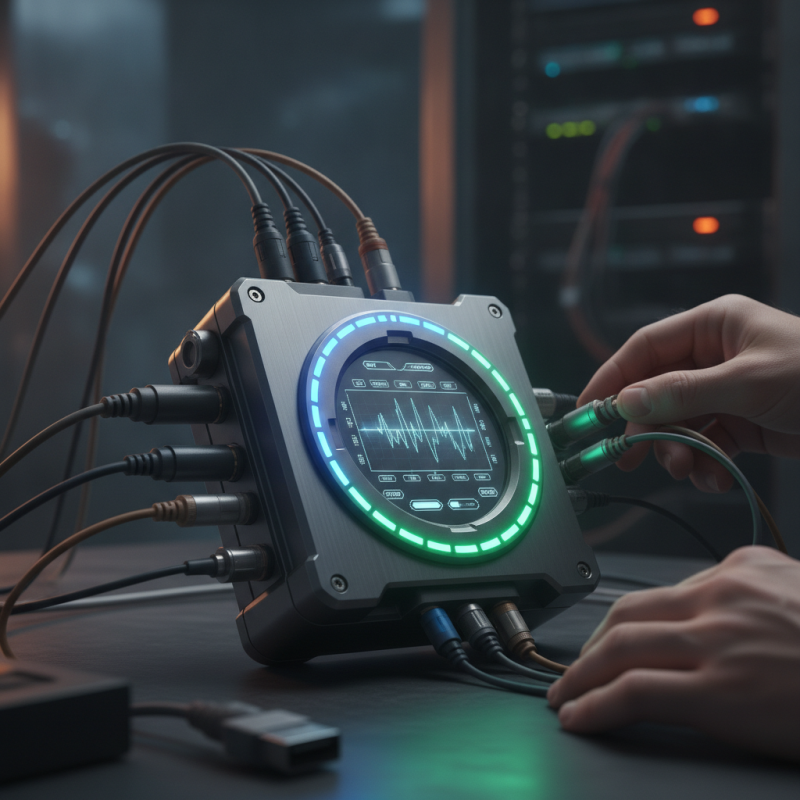
Multichannel data loggers play a critical role in today’s data-driven landscape. They enable organizations to monitor multiple parameters simultaneously, ensuring accurate data collection across various applications. Recent industry studies indicate that effective data logging can improve efficiency by up to 30%. Professionals rely on these instruments for research, environmental monitoring, and quality control.
The importance of these loggers lies in their ability to capture diverse data points, such as temperature, humidity, and pressure, within one device. According to the International Society of Automation, businesses that invest in multichannel loggers witness a 25% increase in data accuracy. However, the choice of the right logger often proves challenging. Factors like sampling rate, data storage capacity, and connectivity options must be weighed carefully.
Investors and organizations should also consider the long-term aspects of technology adoption. Current trends show that many users may face a steep learning curve when integrating new devices into existing systems. Understanding the data integrity and challenges in calibration can aid in making informed decisions. As technology evolves, so must the strategies for data collection and analysis.
Comparing Different Types of Multichannel Data Loggers
When selecting multichannel data loggers, understanding their different types is crucial. Various models exist, each designed for specific applications. For instance, some loggers excel in temperature monitoring, while others can handle humidity and pressure. According to a recent report by the International Society of Automation, the demand for versatile loggers has surged by 25% over the past three years. This growth emphasizes the necessity of choosing a logger that aligns with your data requirements.
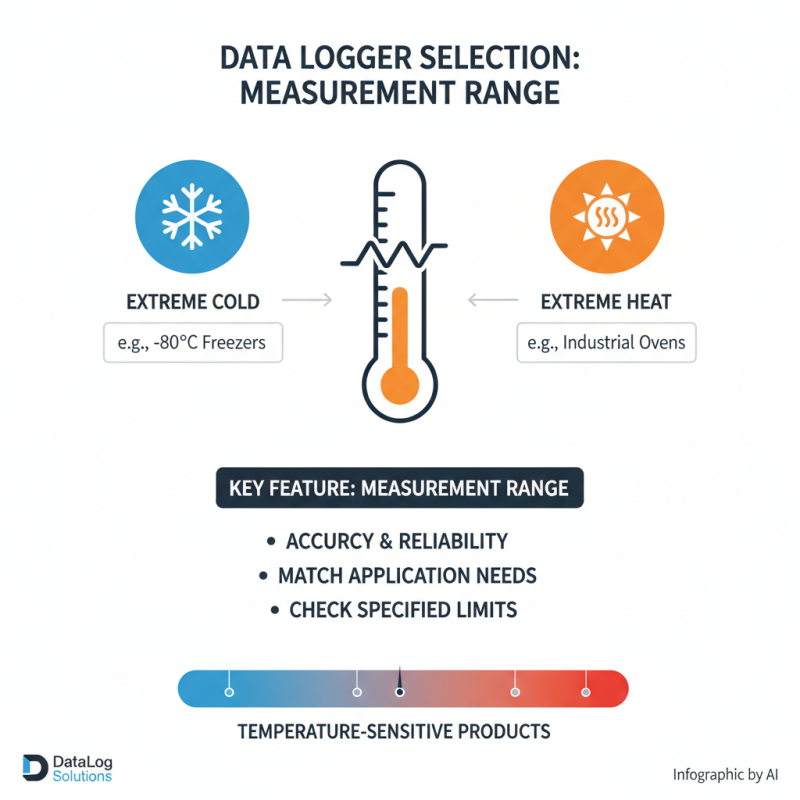
Tips for selecting the right multichannel logger include assessing your measurement needs. Determine the type of data you need to log. Look for loggers with scalability and compatibility. The right choice should feature robust design capabilities. Consider data accuracy as an essential factor. Industry guidelines recommend that data accuracy for quality assurance should be within ±0.5% of full scale.
Another consideration is software integration. Many loggers come with bundled software that simplifies data analysis. However, some require additional investment for proper functionality. Pay attention to the user interface. Complex systems may lead to errors in data interpretation. The need for simplicity cannot be overlooked. A straightforward logging system minimizes mistakes and aids in reliable data collection.
2026 Comparison of Different Types of Multichannel Data Loggers
This chart displays the sales figures for different types of multichannel data loggers in 2026. It reflects the growing demand for temperature and humidity loggers, while other types like voltage and current loggers are seeing comparatively lower sales.
Evaluating Software Compatibility for Data Loggers
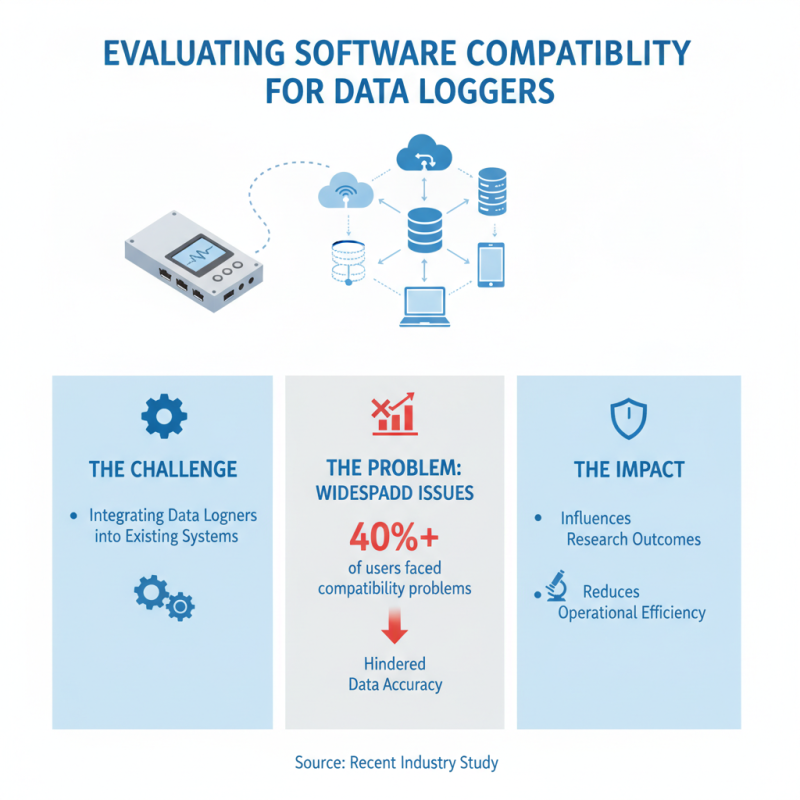
When selecting multichannel data loggers, evaluating software compatibility is essential. Many organizations struggle with integrating data loggers into existing systems. A recent study indicated that over 40% of users faced compatibility issues that hindered data accuracy. These challenges could influence research outcomes and operational efficiency.
User-friendly software enhances data visualization and analysis. Reliable software should support real-time monitoring and reporting. According to industry experts, seamless integration can reduce data management time by up to 30%. However, securing software that aligns with your data logger's capabilities is often overlooked. Many users falsely assume all software solutions are equally effective, leading to unexpected hurdles.
Not all data loggers come with the same level of software support. Some lack essential features like cloud storage or advanced analytics. This discrepancy could create difficulties in data collection. It’s crucial to assess each software option thoroughly. Inadequate software compatibility reduces the potential of even the most advanced data loggers, limiting their effectiveness in critical applications.
Assessing Brand Reputation and Customer Support in Data Loggers
When selecting multichannel data loggers, brand reputation and customer support are crucial factors. A well-established brand often indicates reliability and quality. Researching a brand's history can reveal its commitment to innovation and customer satisfaction. Look for user reviews and ratings; they provide insights into real-world performance. This direct feedback can serve as a valuable guide.
Customer support significantly influences your experience with data loggers. Quick, knowledgeable assistance can make a difference, especially during critical times. Brands that offer extensive resources, such as user manuals and FAQs, demonstrate a commitment to user success. Consider the availability of support channels like live chat or dedicated help lines. If an issue arises, can you get timely help? Poor customer support can lead to frustration and wasted time.
Trust is built over time, but researching these elements before purchasing is essential. Look for brands that encourage communication and respond promptly to inquiries. A brand's ability to engage with its customers reflects its values and commitment to service. Don't overlook these aspects; they could affect your overall satisfaction with the product.

 Sensor
 Measuring Instruments
 Measurement Systems
 Architectural Physics Laboratory