Why Are Heat Stress Monitors Essential for Workplace Safety?
Heat stress is a growing concern in various industries. According to the Occupational Safety and Health Administration (OSHA), over 43,000 workers suffer from heat-related illnesses each year. These incidents can lead to severe health risks and increased medical costs. To combat this pressing issue, the implementation of Heat Stress Monitors is essential for workplace safety.
Dr. Susan T. Baker, a leading expert in occupational health, emphasizes, "Heat Stress Monitors help identify hazardous conditions before they impact worker health." These devices can provide real-time data on temperature, humidity, and other factors. By enabling proactive measures, they play a crucial role in ensuring a safe working environment.
However, despite the available technology, many workplaces still lack adequate monitoring systems. This oversight can lead to preventable accidents and long-term health issues. Companies must reflect on their current practices and prioritize heat stress prevention. By investing in Heat Stress Monitors, organizations not only protect their employees but also reduce potential liabilities and enhance productivity. The importance of these monitors cannot be overstated in creating a safer and more sustainable work culture.
Importance of Heat Stress Monitors in High-Temperature Work Environments
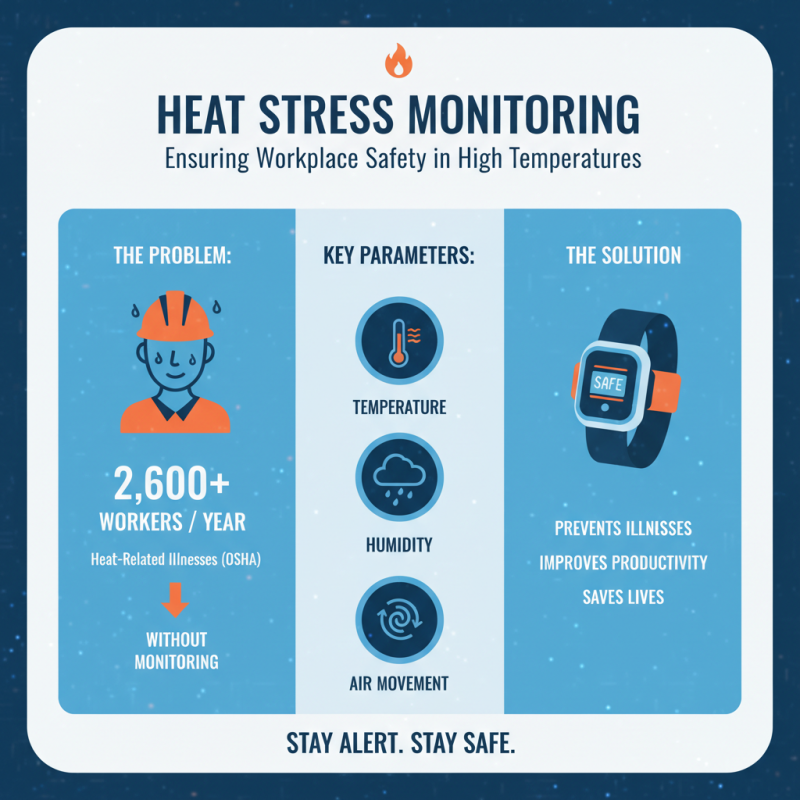
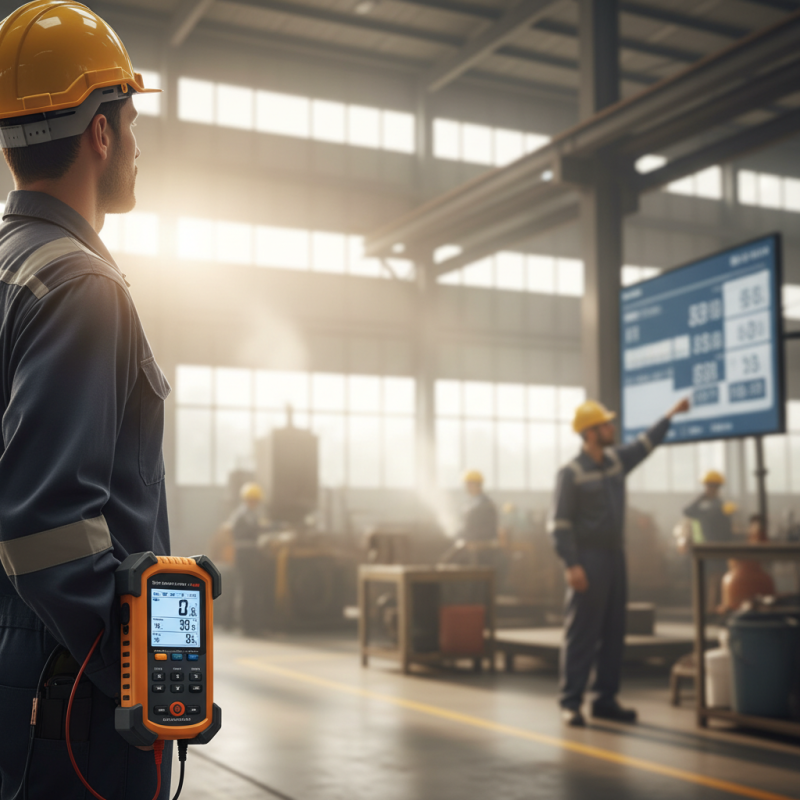
High-temperature work environments pose significant risks. Workers exposed to heat stress are vulnerable to various health issues. According to the National Institute for Occupational Safety and Health (NIOSH), over 2,600 workers suffer from heat-related illnesses annually in the United States alone. This stark statistic highlights the importance of monitoring heat stress in the workplace.
Effective heat stress monitors can provide real-time data on environmental conditions. They help identify rising temperatures and humidity levels that can lead to heat exhaustion or heat stroke. Research indicates that proper monitoring can reduce heat-related incidents by 50%. However, many workplaces still lack these essential tools. It's concerning that some employers prioritize productivity over their workers' well-being. Without proper monitoring, they may overlook early signs of heat stress.
Preventive measures are necessary. Implementing heat stress monitors is a vital step in ensuring safety. Workers need to be aware of their surroundings. This awareness can help them recognize when they need to take breaks or hydrate. Investing in technology and training can be a game-changer. There is a clear need for improvement in workplace safety standards regarding heat stress. It's time to shift the focus to proactive measures rather than reactive solutions.
Understanding the Risks Associated with Heat Stress in the Workplace
Heat stress is a serious concern in many workplaces. It affects workers performing tasks in high-temperature environments. Symptoms can range from mild discomfort to severe health issues. Workers may experience headaches, dizziness, or even heat stroke. These conditions can result in lost productivity and serious safety hazards.
Understanding the risks is crucial. Employees may underestimate heat exposure. Some might ignore initial signs of overheating. This leads to more significant health problems over time. Frequent breaks and hydration are often overlooked. Training should emphasize recognizing symptoms early. If workers feel unwell, they need to know they should seek help immediately.
Implementing heat stress monitors can be a game changer. These devices track temperature and humidity. They alert workers and supervisors when conditions become unsafe. Awareness is key in preventing heat-related incidents. However, not all workplaces prioritize this technology. Some workers remain unaware of the risks. They might believe that heat stress won't affect them. Education and proper tools can bridge this gap.
Key Features and Technologies of Heat Stress Monitoring Devices
Heat stress monitoring devices play a vital role in ensuring workplace safety, especially in high-temperature environments. These devices measure parameters like temperature, humidity, and air movement. According to the Occupational Safety and Health Administration (OSHA), around 2,600 workers experience heat-related illnesses each year. Without proper monitoring, these numbers could rise significantly.
Key features of heat stress monitors include real-time data logging and alert systems. They provide workers with instant feedback on environmental conditions. Many devices are designed to be portable, allowing for use in various locations. Advanced models utilize wireless technology to transmit data to central systems. This enables instant communication between workers and safety managers. A recent report highlighted that workplaces using heat stress monitors saw a 25% decrease in heat-related incidents.
Emerging technologies also focus on wearable sensors. These gadgets can track individual exposure levels. They alert workers when it's time to take a break. However, reliance on technology may lead to complacency. Workers might assume devices are infallible. Training on heat stress remains essential. Regular assessments of both devices and procedures can ensure a thorough understanding of heat management. Awareness must be constant, not just during peak seasons.
Effective Strategies for Implementing Heat Stress Monitoring Programs
Implementing heat stress monitoring programs in workplaces is crucial for safety. Studies show that nearly 34% of heat-related illnesses occur in outdoor workers. This statistic highlights the need for effective prevention strategies. Monitoring systems can help identify at-risk employees. They measure factors like temperature, humidity, and workload.
One effective strategy is to conduct regular training sessions. Workers should recognize symptoms of heat stress. Training fosters a culture of awareness. Ancient texts noted the danger of heat stress long before modern data validated these claims. Additionally, scheduling frequent breaks in shaded areas can mitigate risks. Providing cool drinking water should be standard practice.
Another approach is using wearable technology. These devices can track individual body temperature. Research indicates that real-time data can reduce incidents by 60%. However, implementing this technology can be challenging. Not all workers may be willing to wear devices. Some might find them uncomfortable or intrusive. This hesitation can lead to gaps in monitoring. Addressing these concerns is vital for the program's success. Effective communication about the benefits can improve acceptance.
Why Are Heat Stress Monitors Essential for Workplace Safety? - Effective Strategies for Implementing Heat Stress Monitoring Programs
| Dimension |
Data |
| Average Heat Index (°F) |
85 |
| Days in Heat Stress Alert (2023) |
25 |
| Employee Heat Stress Incidents |
15 |
| Trained Personnel on Heat Stress Management |
50 |
| Monitoring Equipment Installed |
8 |
| Monthly Training Sessions Conducted |
3 |
| Emergency Response Protocols Established |
2 |
Regulatory Standards and Best Practices for Heat Stress Management
Heat stress is a significant risk in workplaces, especially in high-temperature environments. Regulatory standards are in place to protect workers from heat-related illnesses. Employers must be aware of these regulations. Compliance helps ensure a safer workplace. In many regions, guidelines require monitoring heat conditions. This means using devices that measure temperature, humidity, and heat index levels.
Tips for managing heat exposure include ensuring workers stay hydrated. Frequent breaks in shaded or cool areas are essential. Training workers about heat stress symptoms can save lives. Sometimes, employees may ignore signs of heat exhaustion. This can lead to severe health issues. Workers should feel empowered to report symptoms without fear.
Best practices for heat stress management also involve effective communication. Regular safety meetings can keep awareness high. Utilize visual aids to remind workers of heat risks. It's important to create a culture where heat stress is taken seriously. Leaders should understand that not all workers will show obvious signs of distress. This lack of awareness can hinder effective prevention efforts.

 Sensor
 Measuring Instruments
 Measurement Systems
 Architectural Physics Laboratory