How to Choose the Right Thermal Comfort Measuring Instrument for Your Needs
In today's rapidly evolving world, achieving optimal thermal comfort in various environments has become paramount. As the demand for enhanced living and working conditions continues to rise, so too does the necessity to select the right Thermal Comfort Measuring Instrument. According to a recent report by the International Institute of Refrigeration, buildings that prioritize thermal comfort see a 15% increase in occupant productivity and overall satisfaction. This underscores the importance of accurately assessing environmental conditions to create spaces that promote well-being.
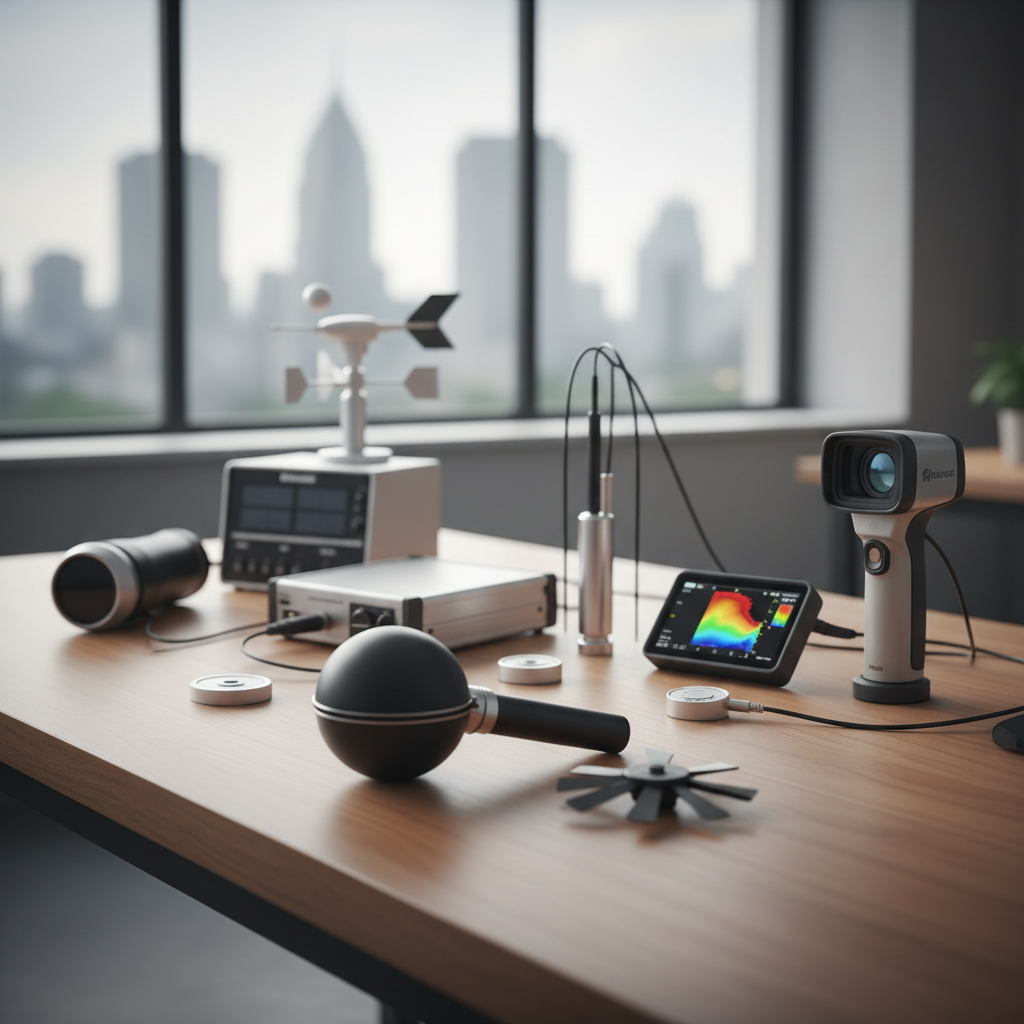
Renowned thermal comfort expert Dr. Emily Chen highlights the significance of this selection process, stating, "Choosing the right Thermal Comfort Measuring Instrument is crucial for understanding how temperature, humidity, and airflow affect individuals’ comfort levels.” This insight is vital for engineers, architects, and facility managers who strive to enhance indoor environments across residential, commercial, and industrial settings. By equipping themselves with the appropriate tools, stakeholders can ensure that they meet regulatory standards and exceed occupant expectations, ultimately leading to a healthier, more productive society.
Overview of Thermal Comfort and Its Importance in Various Environments
Thermal comfort plays a critical role in various environments, influencing not only the well-being of individuals but also productivity and energy consumption.
According to a study by the Lawrence Berkeley National Laboratory, approximately
20% of energy use in commercial buildings could be attributed to inadequate thermal comfort, leading to increased operational costs.
Understanding the factors that contribute to thermal comfort, such as air temperature, humidity, and airflow, is essential for creating environments that promote health and efficiency.
In workplaces, maintaining optimal thermal comfort can significantly impact employee performance.
Research published in the International Journal of Biometeorology indicates that discomfort due to thermal factors can result in a
10-30% decrease in productivity. This emphasizes the importance of selecting appropriate thermal comfort measuring instruments to tailor conditions that suit specific needs in diverse settings, from offices to manufacturing plants.
By leveraging accurate measurement tools, organizations can enhance overall comfort levels, thereby reducing absenteeism and improving job satisfaction.
Key Features to Consider When Selecting Measuring Instruments for Thermal Comfort
When selecting a thermal comfort measuring instrument, several key features should be prioritized to ensure accuracy and relevance to your specific needs. First, consider the calibration and accuracy of the instrument. According to a report from the American Society of Heating, Refrigerating and Air-Conditioning Engineers (ASHRAE), instruments should meet specific accuracy standards to provide reliable readings, typically within ±0.5°C for temperature and ±2% for relative humidity. This level of precision is essential for producing actionable insights into indoor environments.
Next, look into the type of measurements the instrument can perform. Instruments that offer multi-parameter readings—such as air temperature, humidity, air velocity, and mean radiant temperature—are invaluable. A study from the International Journal of Environmental Research and Public Health indicates that comprehensive data correlates significantly with occupant satisfaction and productivity in indoor spaces.
**Tips:** Always verify that the instrument you consider can operate in your environment, whether it be residential or industrial. Features like data logging and Wi-Fi connectivity can enhance usability and allow for remote monitoring and analysis. Additionally, ensure that the device is user-friendly, enabling quick setup and operation for immediate effectiveness.
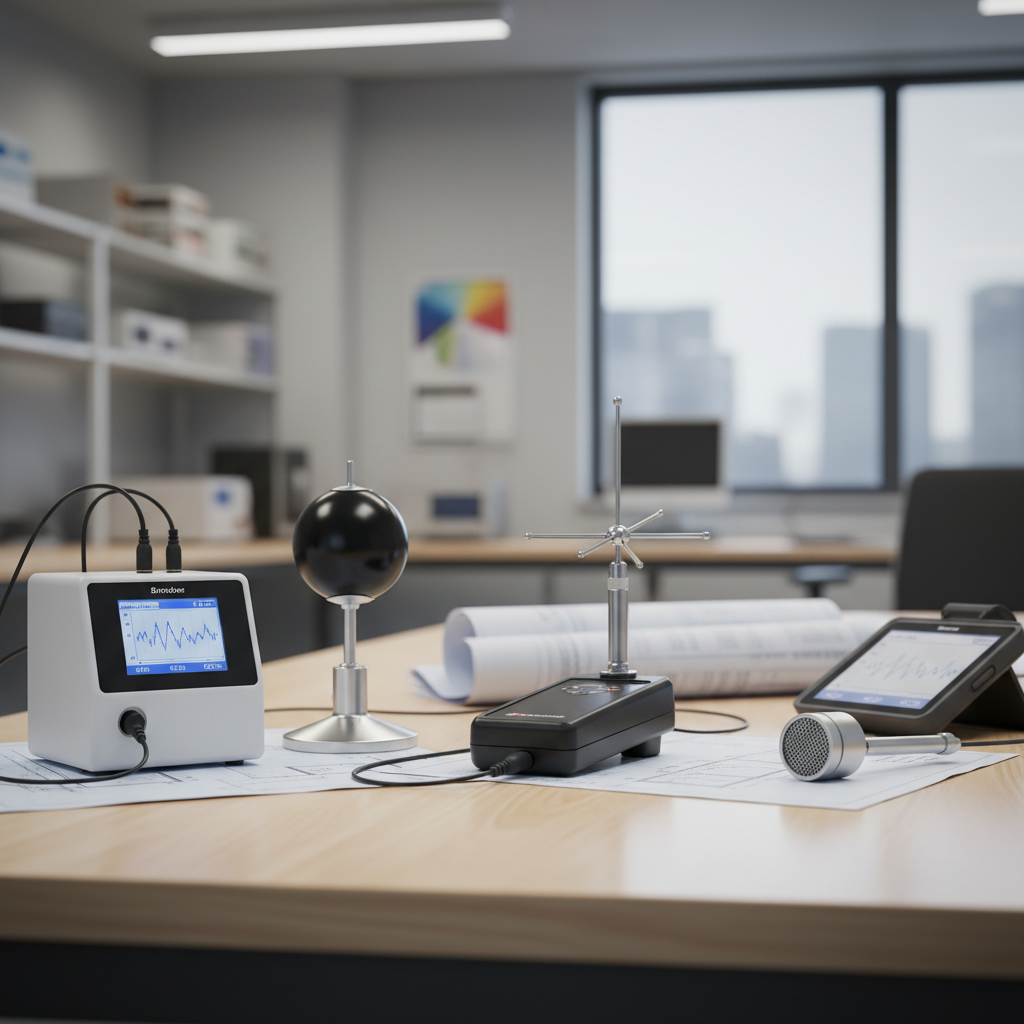
Top 5 Thermal Comfort Measuring Instruments for Diverse Applications in 2025
When selecting the right thermal comfort measuring instruments for various applications in 2025, it is essential to consider the diverse needs stemming from urban environments and educational facilities. Given the impact of the urban heat island effect and air pollution on outdoor thermal comfort, choosing instruments that accurately assess these conditions is crucial. Instruments utilizing advanced sensing technology can provide insights into temperature variations, humidity levels, and air quality, offering a more comprehensive understanding of thermal comfort in densely populated regions.
For educational buildings located in arid climates, evaluating the effectiveness of window design and natural ventilation strategies is vital. Instruments that measure indoor and outdoor thermal conditions can help design these structures to optimize air quality and comfort. Additionally, recent studies have shown the role of green infrastructure, such as vegetation and green walls, in mitigating heat and enhancing comfort. Therefore, instruments that can assess the interaction effects of these environmental elements will be valuable, paving the way for improved designs that cater to the unique challenges of diverse applications in 2025.
How to Choose the Right Thermal Comfort Measuring Instrument for Your Needs - Top 5 Thermal Comfort Measuring Instruments for Diverse Applications in 2025
| Instrument Name |
Measurement Parameters |
Accuracy |
Best For |
Price Range ($) |
| Digital Psychrometer |
Temperature, Humidity |
±0.5°C / ±3% RH |
Indoor Environment Monitoring |
50 - 150 |
| Infrared Thermometer |
Surface Temperature |
±1°C |
HVAC Applications |
30 - 200 |
| Data Logger |
Temperature, Humidity, Air Quality |
±0.2°C / ±2% RH |
Long-term Data Collection |
100 - 400 |
| Thermal Comfort Meter |
PMV, PPD, Radiant Temperature |
±0.1 PMV |
Occupant Comfort Assessment |
200 - 800 |
| Anemometer |
Airflow, Air Velocity |
±0.1 m/s |
Ventilation Performance Testing |
40 - 300 |
Comparative Analysis of Pricing and Performance of Leading Thermal Comfort Tools
When selecting a thermal comfort measuring instrument, the comparative analysis of pricing and performance becomes crucial for informed decision-making. Leading tools in the market offer a varied range of features that cater to different needs and budgets. Budget-friendly instruments often provide basic functionalities, ideal for small-scale applications or personal use. However, investing in mid-range and premium instruments typically yields enhanced accuracy, advanced data analysis capabilities, and more extensive environmental monitoring features.
Performance metrics such as response time, measurement accuracy, and user-friendliness must be assessed alongside pricing. High-performance instruments often incorporate innovative technologies, like real-time data logging and integrated software for comprehensive analysis. These factors not only enhance the measurement experience but can also lead to better long-term investments. Therefore, understanding the specific requirements of your thermal comfort monitoring needs is essential to balance cost with the necessary performance level, ensuring optimal results in various environments.
User Feedback and Recommendations: What Consumers are Saying About the Best Instruments
When considering thermal comfort measuring instruments, user feedback plays a crucial role in decision-making. Recent industry reports indicate that consumers prioritize accuracy and ease of use in thermal measurement tools. For instance, a survey conducted by a leading market research firm revealed that 78% of users found that instruments with straightforward interfaces significantly improved their measurement capabilities and overall satisfaction. Furthermore, testimonials highlight that devices with real-time data visualization enhance the user experience by allowing immediate adjustments based on thermal comfort levels.
Another aspect to consider is the increasing incorporation of AI technology in these instruments, particularly in how they analyze data and provide insights. As seen in the fast fashion e-commerce sector, where businesses are rapidly digitalizing to meet ever-changing consumer demands, thermal comfort tools are evolving to include predictive capabilities based on environmental data. This shift is backed by consumer preference for sophisticated features that not only measure comfort but also suggest actionable recommendations, enabling more informed decisions regarding heating and cooling systems. With such advancements, selecting the right thermal comfort instrument has never been more critical for both residential and commercial applications.

 Sensor
 Measuring Instruments
 Measurement Systems
 Architectural Physics Laboratory