How to Choose the Right Heat Stress Monitors for Your Needs?
Choosing the right Heat Stress Monitors is crucial for ensuring safety and productivity in various industries. Research shows that approximately 66% of workers exposed to high temperatures experience heat-related illnesses. Effective monitoring can prevent these occurrences by identifying critical temperature thresholds. Organizations across construction, agriculture, and manufacturing face significant risks, as nearly 40% of heat-related incidents happen in these sectors.
Selecting appropriate Heat Stress Monitors involves considering specific working environments and individual needs. Different models offer unique features, from simple digital displays to advanced real-time analytics. For instance, a monitor that integrates with personal protective equipment can offer immediate feedback. However, businesses sometimes overlook key factors, such as calibration requirements or user-friendliness. A monitor might be top-rated but could be unsuitable for all users.
Investing in quality Heat Stress Monitors should not be taken lightly. The wrong choice may lead to increased accident rates and decreased employee morale. Additionally, failure to adapt to evolving technology could result in lost opportunities for enhanced safety. Organizations need to assess their specific circumstances carefully to avoid common pitfalls in the selection process.
Understanding Heat Stress and Its Impact on Worker Safety
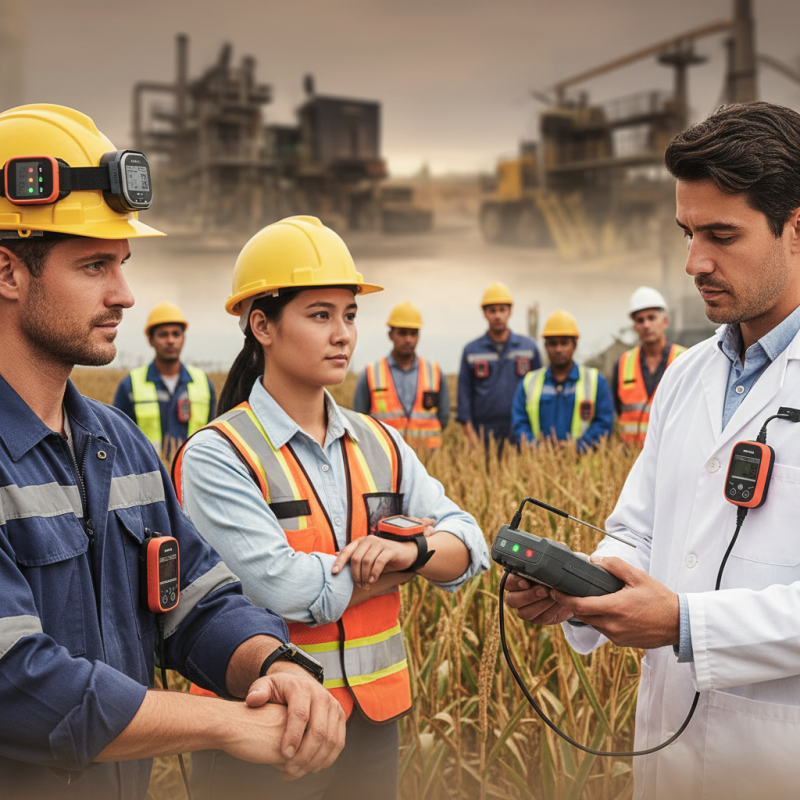
Heat stress poses significant risks to workers, especially in industries like construction and agriculture. Factors such as high humidity and temperatures above 90°F can amplify these dangers. According to a report by the National Institute for Occupational Safety and Health (NIOSH), heat-related illnesses result in more than 600 deaths annually in the United States. Recognizing the signs of heat stress is crucial for ensuring safety.
Implementing effective heat stress monitoring can help mitigate these dangers. Wearable thermometers and environmental monitors offer real-time data on temperature and humidity. This data enables supervisors to make informed decisions about breaks and hydration. The American Conference of Governmental and Industrial Hygienists (ACGIH) defines acceptable heat exposure limits, which can guide businesses in establishing appropriate safety protocols. Yet, many companies still underutilize monitoring tools, risking employee well-being.
Education about heat stress is equally vital. Workers should learn about the symptoms of heat exhaustion, such as dizziness and excessive sweating. Increased awareness can lead to quicker responses when issues arise. Some reports show that worker training results in a 30% decrease in heat-related incidents. However, without continuous improvements in monitoring and training, the problem may persist.
How to Choose the Right Heat Stress Monitors for Your Needs?
| Monitor Type |
Measuring Parameters |
Ideal Use Cases |
Price Range |
Battery Life |
| Wearable Monitor |
Temp, Humidity, Heart Rate |
Construction Sites, Outdoor Work |
$150 - $300 |
Up to 72 hours |
| Stationary Monitor |
Wet Bulb Globe Temp, Humidity |
Factories, Warehouses |
$500 - $1,000 |
N/A (Plugged) |
| Remote Monitor |
Temperature, Humidity, CO2 Levels |
Laboratories, Greenhouses |
$300 - $600 |
Up to 2 years |
| Portable Monitor |
Body Temp, Environment Temp |
Emergency Services, Sports |
$100 - $250 |
8 - 24 hours |
Key Factors to Consider When Choosing Heat Stress Monitors
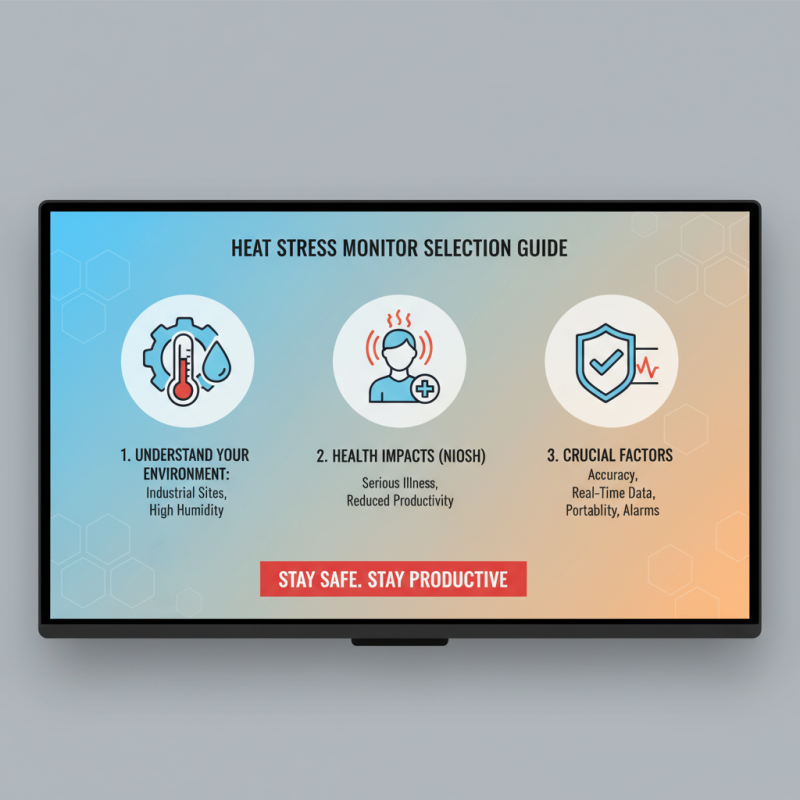
When selecting heat stress monitors, it’s crucial to consider several key factors. Understanding your environment is the first step. For instance, industrial sites with high humidity levels require precise monitoring tools. According to the National Institute for Occupational Safety and Health (NIOSH), heat stress can lead to serious health issues. In extreme cases, it affects productivity and safety.
Look for monitors that offer real-time data. Effective monitoring can prevent heat-related illnesses. A study by the American Conference of Governmental and Industrial Hygienists (ACGIH) emphasizes that continuous measurements improve response times in emergencies. Data accuracy is another essential element. Calibration and regular maintenance are important for reliable readings. Sensors may drift over time, leading to inaccurate information.
User-friendliness is often overlooked but necessary. Complex devices can lead to mistakes. Workers might struggle to interpret readings, especially in high-pressure situations. Choose monitors with straightforward interfaces and clear display features. This reduces confusion and enhances safety. Think about integration capabilities too. Some workplaces may need systems that connect to existing safety protocols.
Comparison of Heat Stress Monitoring Technologies and Their Accuracy
When selecting heat stress monitors, technology plays a crucial role. Different types of monitoring devices are available, each with unique features. Some use infrared sensors, while others rely on thermistors. Infrared sensors detect surface temperature, whereas thermistors measure air temperature and humidity. Understanding these differences can help you make an informed choice.
Accuracy is essential in these measurements. A device that provides incorrect readings can lead to serious health risks. Some monitors have built-in algorithms to improve precision under varying conditions. However, not every device achieves the same level of accuracy. Evaluating the performance of each type is necessary, especially in extreme environments where heat stress is a concern.
Some monitors may seem user-friendly but can overlook critical factors. For instance, those that only measure ambient temperature may not account for radiative heat. This can lead to misleading results. It’s important to reflect on what data is most vital for your specific application. Always consider conditions that may affect readings, including airflow and geographic location.
Heat Stress Monitoring Technologies and Their Accuracy
Industry Standards and Guidelines for Heat Stress Monitoring Devices
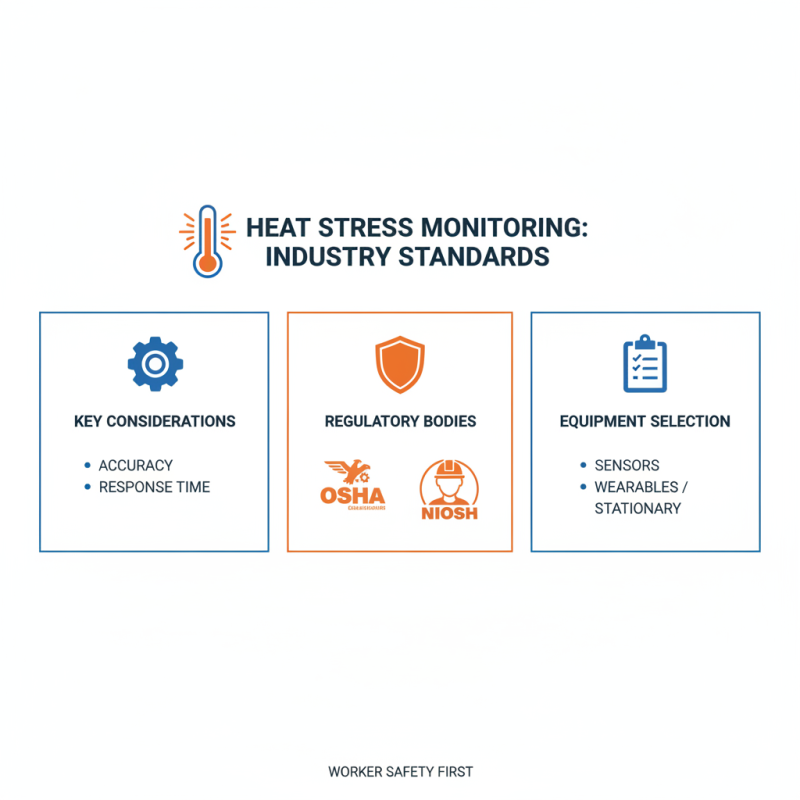
Choosing the right heat stress monitoring devices requires an understanding of industry standards. These standards are crucial for ensuring worker safety in high-temperature environments. Organizations like OSHA and NIOSH provide guidelines that can help in selecting the appropriate equipment. They often specify factors like measurement accuracy and response times.
Different industries have varying heat stress risks. Manufacturing plants, for example, may require more robust devices compared to outdoor construction sites. The specifications can be confusing. Some devices monitor heat index, while others assess wet bulb globe temperature. It is essential to match the device's capabilities to your specific environment.
It's not just about meeting guidelines. Consider user-friendliness, portability, and battery life. Complex devices may confuse the workers who need them most. Reflection on past choices can lead to better decisions. Have the previous devices truly met your needs? Be prepared to adapt as conditions change. Always look for devices that can grow with your requirements.
Cost-Effectiveness and Maintenance Needs of Heat Stress Monitors
When selecting heat stress monitors, it's crucial to consider their cost-effectiveness. Quality monitors need not be overly expensive. A balance between initial costs and long-term savings is essential. Investing in a more efficient device can lead to lower energy use. This factor can significantly reduce overall expenses in the long run.
Maintenance needs are another important aspect. Some devices require frequent calibration and servicing, leading to increased costs. Others might demand less upkeep, making them easier to manage. It's vital to assess the maintenance frequency and associated costs. A less expensive device can become costly if maintenance is neglected. Regular checks ensure the monitor's reliability and performance.
Choosing the right heat stress monitor involves thoughtful consideration. Evaluate both costs and maintenance needs carefully. Are you ready to deal with frequent maintenance? Or do you prefer a set-it-and-forget-it option? Assess your environment and usage to make an informed choice. Making the right decision now can prevent regret later on.

 Sensor
 Measuring Instruments
 Measurement Systems
 Architectural Physics Laboratory