How to Choose the Best Wind Speed Sensor for Your Needs?
Choosing the right Wind Speed Sensor is critical for accurate measurements in various applications. According to the American Meteorological Society, wind speed significantly affects weather forecasting and environmental monitoring. Proper selection ensures reliability and precision, which are paramount in sectors like agriculture, aviation, and renewable energy.
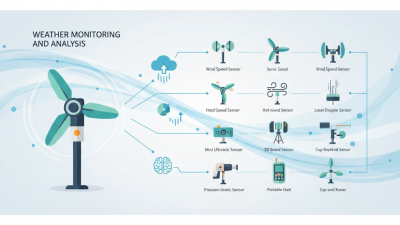
Many sensors on the market vary in technology, features, and price. Each type serves different purposes. For instance, ultrasonic sensors are known for high accuracy, while cup anemometers are often more cost-effective. The right choice depends heavily on your specific needs. A poorly chosen sensor may lead to inaccurate data, affecting operations and decisions.
Research by the National Renewable Energy Laboratory emphasizes that accurate wind measurements are essential for optimizing wind turbine placement. This data drives efficiency and energy generation. Therefore, investing time in understanding sensor specifications can prevent costly mistakes and enhance performance.
Understanding the Basics of Wind Speed Sensors
Understanding wind speed sensors is crucial for various applications, from agriculture to meteorology. These sensors measure how fast the wind is blowing, providing data essential for making informed decisions. They come in various types, including anemometers and laser sensors, each with its own advantages and limitations. Anemometers, for instance, are often more affordable and easier to install, but they may not provide the precision needed for scientific research.
When choosing a wind speed sensor, consider factors like measurement range, sensitivity, and response time. Sensors designed for extreme conditions offer durability but may lack sensitivity in low wind situations. Reliability is key; the sensor's accuracy can significantly impact the readings you depend on.
Seeking user reviews and expert opinions can help gauge a sensor's performance in real-world scenarios, though individual experiences may vary. Keep in mind that regular maintenance is necessary to ensure consistent data collection.
Key Features to Consider When Selecting a Wind Speed Sensor
When selecting a wind speed sensor, consider several key features to ensure it meets your specific needs. Accuracy is crucial; a reliable sensor should provide real-time data with minimal deviation. Look for models that offer calibration options. This allows for adjustments based on environmental factors, ensuring consistent performance.
Durability is another important aspect. A good sensor should withstand harsh weather conditions, particularly if it's intended for outdoor use. Consider materials that resist corrosion and UV damage. Battery life is equally significant; a long-lasting battery minimizes maintenance and increases reliability.
**Tip:** Analyze the installation process. Some sensors require complex setups. Choose a model that offers straightforward installation to save time and effort.
Another essential feature is connectivity. Modern sensors often come with wireless capabilities, enabling easy data access via apps. This adds convenience, allowing users to monitor conditions remotely.
**Tip:** Review user feedback. It offers insights from real experiences, highlighting potential issues or benefits you might not consider. Being informed leads to better choices.
Wind Speed Sensor Comparison
Different Types of Wind Speed Sensors and Their Applications
When selecting a wind speed sensor, understanding the different types available is crucial. There are primarily two common types: anemometers and pitot tubes.
Anemometers are widely used for various applications. They measure wind speed by utilizing rotating cups or blades. These devices are reliable and easy to install. They are ideal for outdoor environments, like weather stations and marine operations.
On the other hand, pitot tubes function differently. They measure wind speed based on pressure differences.
These sensors are often used in aviation and meteorology. They offer precise readings but can be more complex to install and maintain. Choosing between these types depends on your specific needs, whether you prefer ease of use or accuracy.
Consider the environment where the sensor will be placed. Harsh conditions may affect performance.
It’s also essential to think about installation and maintenance requirements. Sensors that are hard to access can lead to complications later. Assessing your specific conditions and preferences is key to choosing the right wind speed sensor.
Evaluating Accuracy and Calibration for Your Needs
When selecting a wind speed sensor, evaluating accuracy and calibration is crucial. Accuracy determines how closely the sensor can measure actual wind speeds. High-quality sensors should provide readings with minimal error. Calibration ensures these sensors maintain their accuracy over time, which can be affected by environmental factors or wear and tear.
Regular calibration checks can prevent misleading data. Some sensors may drift from their original settings, causing significant discrepancies. It's essential to understand how often calibration is needed for your specific device. Some manufacturers may offer self-calibration features, while others might require professional recalibration. Knowing the maintenance requirements is essential in making an informed decision.
Additionally, consider how the sensor performs in different conditions. A sensor might work well in calm environments but struggle in high winds. Pay attention to the sensor's material and design. Sensors made from durable materials are more reliable in harsh weather. Evaluating the sensor's testing methods can also provide insights into its accuracy and reliability.
Budget Considerations and Long-term Value of Wind Speed Sensors
When selecting a wind speed sensor, budget considerations are crucial. A reliable sensor can range from $100 to over $1000, depending on features and accuracy. A study from the American Meteorological Society indicates that professionals often choose mid-range options, balancing cost and performance. These sensors provide adequate data for most applications, from agricultural use to small-scale renewable energy projects.
Evaluating long-term value is equally important. While cheaper options might seem attractive, they often lack durability. According to industry reports, investing in a quality sensor can yield up to 20% more precise data over time. Users report that high-accuracy sensors help to enhance operational efficiency, leading to better decision-making. When considering warranty and support, some sensors come with better service terms, increasing their overall value.
Lastly, technology evolves rapidly. Newer models may offer advanced features, but their costs might not always align with user needs. Some users find themselves needing upgrades sooner than expected. This can be frustrating and economically burdensome. It's essential to assess both immediate needs and future requirements when making a choice.

 Sensor
 Measuring Instruments
 Measurement Systems
 Architectural Physics Laboratory