How to Choose the Best Multi Channel Measuring Instruments for Your Needs?
Choosing the right Multi-Channel Measuring Instruments can feel overwhelming. Expert Dr. Emily Zhang once stated, "Precision in measurement drives innovation." This highlights the crucial role these instruments play in various industries. When selecting the perfect device, it's essential to consider the specific needs of your application.
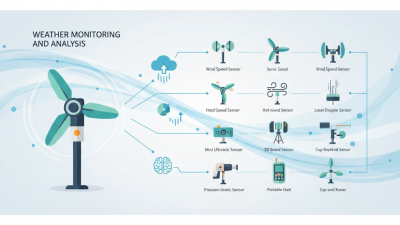
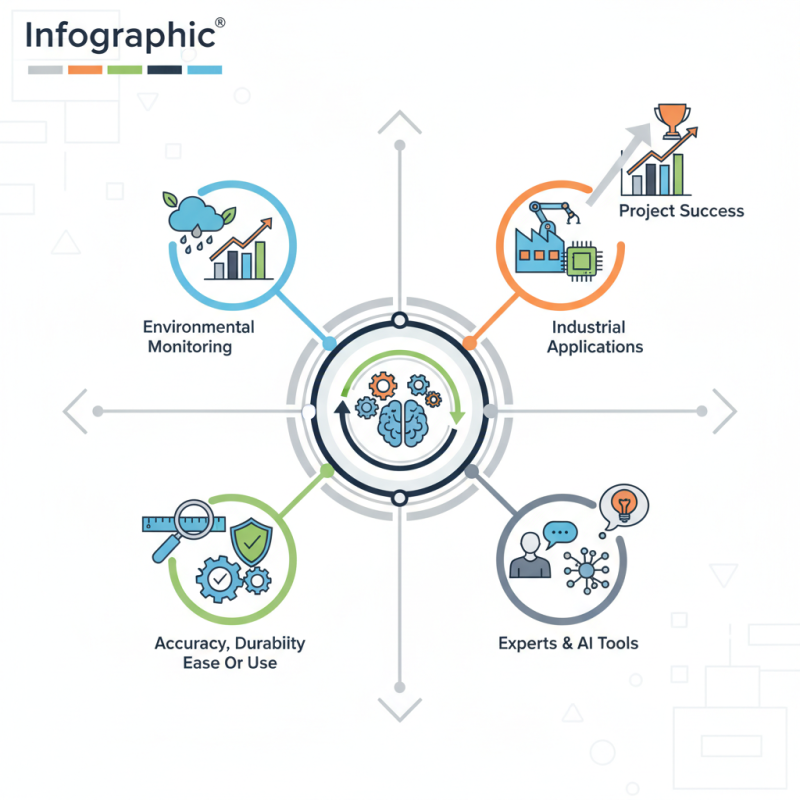
These instruments come in various types, each catering to different measurement requirements. For instance, some models excel in environmental monitoring, while others focus on industrial applications. Make sure to assess the specifications carefully. Look for accuracy, durability, and ease of use.
It's important to recognize that no instrument is perfect. Each comes with strengths and weaknesses. Sometimes, users may feel uncertain about their choices. Engaging with industry experts and utilizing AI tools can simplify the selection process. Remember, the right Multi-Channel Measuring Instruments can significantly impact your project's success.
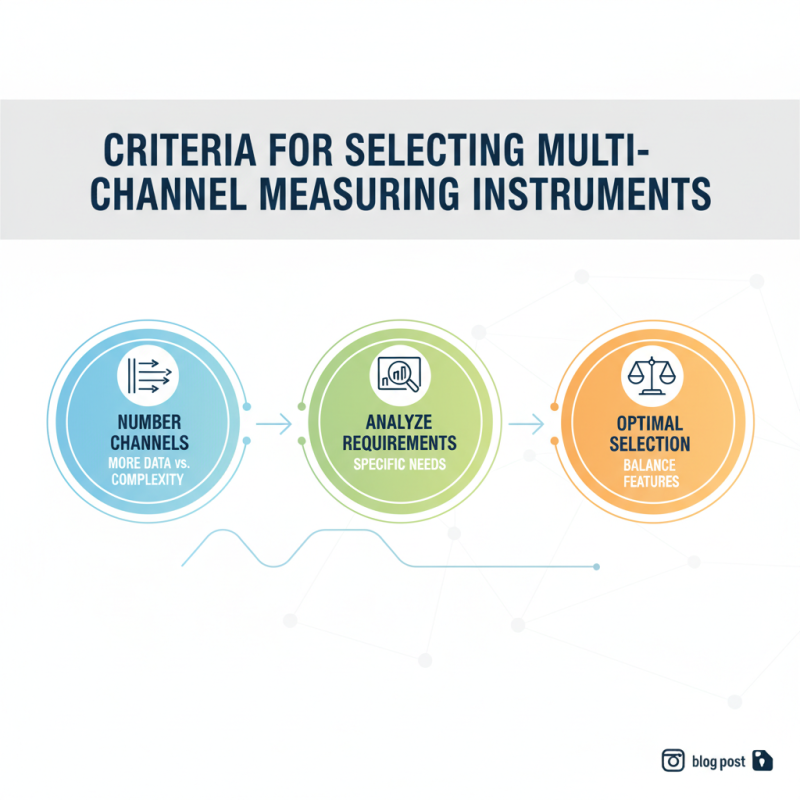
Criteria for Selecting Multi-Channel Measuring Instruments
When selecting multi-channel measuring instruments, consider several key criteria. First, assess the number of channels you need. More channels provide more data. However, too many can complicate your analysis. Focus on your specific requirements.
Tip: Think about how you will use the data. If you need real-time monitoring, choose instruments with fast processing speeds. For detailed analysis, ensure compatibility with software tools you already use.
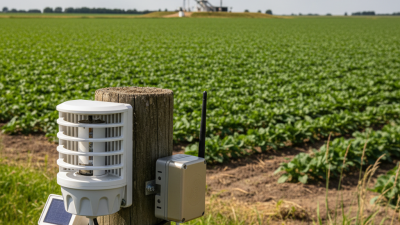
Next, think about the environment where you'll use these instruments. Some may need to withstand harsh conditions. Waterproof or dustproof features can be essential.
Tip: Read user reviews to learn about real-life performance in tough conditions. This helps reveal any potential difficulties you may face.
Finally, consider support and documentation. Access to manuals and customer service can make a difference. Strong support can ease troubleshooting and learning curves. Explore different communities for shared experiences too.
Understanding Different Types of Multi-Channel Measuring Devices
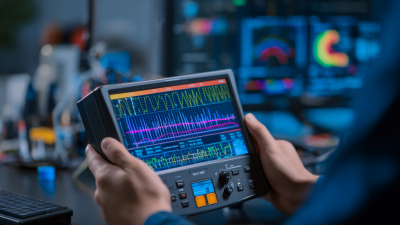
When selecting multi-channel measuring devices, it’s essential to understand the various types available. These instruments are crucial for accurately capturing data from multiple sources. Common types include oscilloscopes, data acquisition systems, and spectrum analyzers. Each type serves a specific purpose and can drastically impact your measurement strategy.
According to a report by MarketsandMarkets, the multi-channel data acquisition market is projected to grow at a CAGR of 7.3% from 2021 to 2026. This growth highlights the increasing demand for precision in industries like manufacturing and healthcare. Multi-channel oscilloscopes, for example, can measure several signals simultaneously, increasing efficiency in testing environments. However, choosing the wrong type can lead to inadequate data collection.
Many users overlook the importance of bandwidth and sampling rate. Insufficient specifications may result in missed critical information. For instance, if a device cannot handle high frequencies needed for certain applications, data integrity is compromised. Evaluating your specific requirements and understanding the limitations of each device type is vital. Selectivity is necessary; what works for one application may not suit another.
Key Features to Consider in Multi-Channel Measuring Instruments
When choosing multi-channel measuring instruments, key features are essential. Pay attention to the number of channels. More channels allow simultaneous measurements. However, it can also complicate data interpretation. Ensure you have the ability to process the information effectively.
Accuracy is another crucial feature. Instruments with higher precision lead to reliable results. Check specifications carefully. A little miscalculation can lead to significant errors. Keep in mind that calibration is necessary, even for high-quality devices. Performance can fluctuate over time.
Tips to consider: Examine the user interface. A clear display and accessible controls improve usability. Poor design can affect efficiency. Assess connectivity options as well. Modern instruments should have multiple data transfer methods. This ensures seamless integration with other systems. Always read user reviews. They often reveal insights overlooked in technical sheets. A common issue is a steep learning curve for complex devices, which can hinder productivity.
How to Choose the Best Multi Channel Measuring Instruments for Your Needs? - Key Features to Consider in Multi-Channel Measuring Instruments
| Feature |
Description |
Importance |
| Number of Channels |
Indicates how many different measurements can be taken simultaneously. |
High |
| Sampling Rate |
The frequency at which the device captures data points per channel. |
High |
| Accuracy |
The degree of closeness between the measured value and the true value. |
Critical |
| Connectivity Options |
Types of connectivity such as USB, Bluetooth, or Wi-Fi for data transfer. |
Moderate |
| User Interface |
The design and usability of the software or display used to control the device. |
High |
| Data Storage |
The capacity and type of memory used to store measurement data. |
Moderate |
| Portability |
Weight and size that determine ease of transportation of the instrument. |
High |
| Battery Life |
Duration the device can operate on a single charge or set of batteries. |
Moderate |
Evaluating Accuracy and Precision in Measurement Tools
When selecting multi-channel measuring instruments, accuracy and precision are critical factors.
Accuracy ensures that measurements reflect the true value, while precision guarantees consistent results.
A tool may be accurate but not precise, or vice versa. Understanding these differences helps in making informed choices.
Tips: Check calibration regularly. An out-of-calibration tool can lead to significant errors. Look for tools with a clear display.
It makes reading measurements easier. Sometimes, instruments have features that are not necessary for your needs. Avoid those to simplify usage.
Evaluating these parameters involves testing instruments in real conditions. You might find that certain tools perform well in the lab but struggle in field situations.
Consider versatility and ease of use as you assess options.
Sometimes, the simplest tools yield the best results. Don't overlook basic functionality over complex features that may not be beneficial.
Cost Analysis: Budgeting for Quality Multi-Channel Measuring Equipment
When budgeting for multi-channel measuring instruments, it's crucial to assess your specific needs.
High-quality equipment often comes at a significant cost, but it may save you money in the long run.
Consider the features you really require. Do you need advanced data analysis capabilities? Or is basic functionality sufficient?
Analyzing these requirements can prevent overspending.
Quality equipment typically offers better accuracy and reliability.
However, prices can vary widely. It might be tempting to go for the cheapest option,
but cutting corners here could lead to costly errors later. Spend some time researching what you actually need.
Look for reviews and feedback from users.
Also, remember to factor in maintenance costs when budgeting.
You might find that a slightly higher upfront cost leads to lower long-term expenses.
Don't just focus on the price tag; think about performance too. Inadequate tools can hinder your work.
This is where some reflection is needed. Set a realistic budget that balances cost and quality.
Poor choices can lead to regrets down the line.
Don't rush the decision-making process. A well-thought-out plan will guide you in selecting the right equipment.

 Sensor
 Measuring Instruments
 Measurement Systems
 Architectural Physics Laboratory