Best Humidity Sensors for Home Use What to Look For?
In today's homes, managing indoor humidity is crucial. High humidity can lead to mold growth, while low humidity can cause discomfort. Dr. Emily Takara, a renowned expert in home environmental quality, states, "A reliable Humidity Sensor For Home is essential for maintaining a healthy living space." Her insights emphasize the significance of choosing the right sensor.
When selecting a Humidity Sensor For Home, consider factors like accuracy, response time, and integration with smart home systems. Accurate sensors monitor humidity levels effectively and help prevent health issues, such as respiratory problems. Additionally, quick response times ensure prompt adjustments can be made to your home’s environment.
However, not all sensors are created equal. Some may fail to deliver consistent readings or lack integration with other devices. This inconsistency can lead to poor humidity management and discomfort in your living space. It’s important to reflect on these challenges when choosing the best sensor to protect your home and well-being.
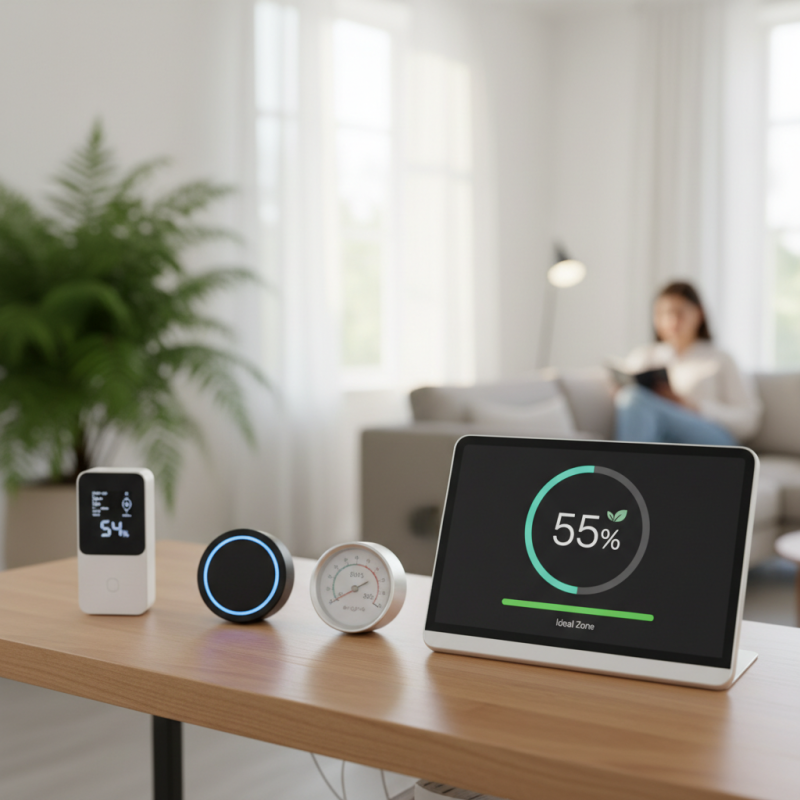
Types of Humidity Sensors Suitable for Home Use
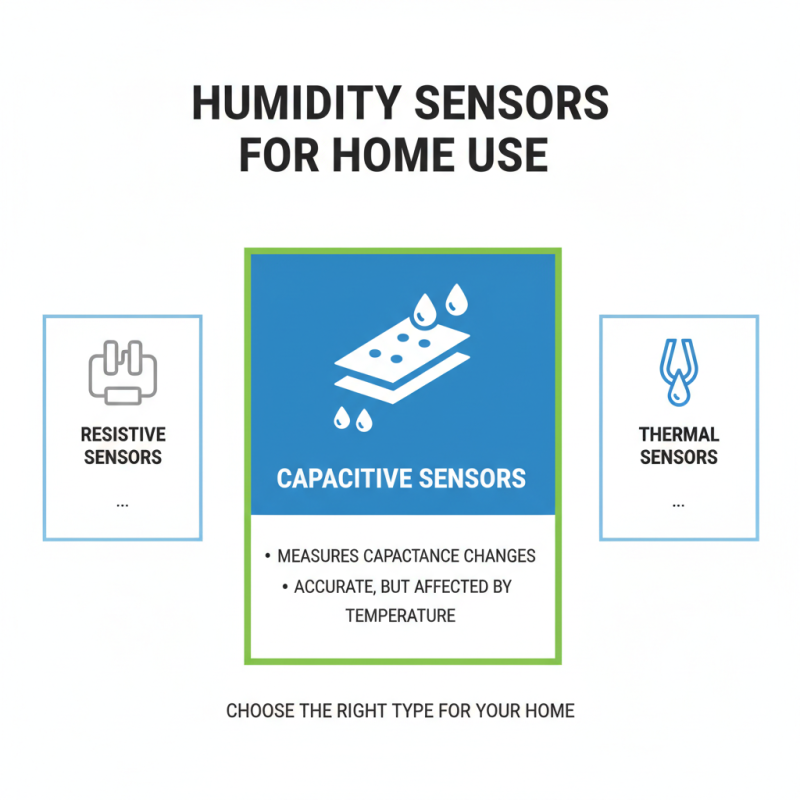
When considering humidity sensors for home use, it's vital to understand the types available. There are several categories to choose from, each with distinct features. Capacitive sensors are popular for their sensitivity. They work by measuring changes in capacitance due to moisture levels. This type ensures accuracy but can be affected by temperature.
Resistive sensors are simpler. They gauge humidity by resistance changes in conductive materials. These are often less expensive and can suit basic needs. However, they may not offer the same precision as capacitive models. Thermal hygrometers use temperature fluctuations to determine humidity. While innovative, they may require more calibration.
Each sensor type presents benefits and drawbacks. Users should assess where they will be placed. Kitchens and bathrooms often experience rapid humidity changes. Floating sensors can work well here but may struggle in stable environments. Consider how often you need readings. Regular monitoring is valuable, but overly frequent updates might overwhelm users. Balancing accuracy with practicality is key in selecting the right sensor for your home.
Key Features to Consider When Choosing a Humidity Sensor
When selecting a humidity sensor for home use, several key features should guide your decision.
Accuracy is paramount. A sensor that reads humidity levels within ±3% is generally reliable for home environments.
Look for a device with a digital display. This adds convenience and allows for easy readings.
A sensor with a built-in memory for tracking historical data can provide deeper insights into humidity trends over time.
Consider the range of humidity levels the sensor can measure.
A suitable device should account for both low and high humidity conditions.
Wireless connectivity can be an added benefit.
It allows you to monitor levels remotely through a smartphone app.
However, ensure the setup process is user-friendly; complex installations may lead to frustration.
Battery life is another aspect worth evaluating.
A sensor with a long-lasting battery ensures minimal maintenance.
Check reviews that highlight real user experiences.
Some users may encounter quirks or issues with specific features.
Engage with feedback to understand common pitfalls.
Don't overlook the importance of brand reputation, but also watch for false claims.
Balancing these factors will guide you towards a reliable humidity sensor for your home.
How to Install and Calibrate Humidity Sensors at Home
Installing and calibrating a humidity sensor at home can enhance your indoor environment. Begin by selecting a suitable location. Avoid placing the sensor near windows or vents. These areas may have fluctuating humidity levels that can affect readings. Instead, choose a central location. This ensures more accurate readings of the overall humidity in your home.
Before installation, read the manual carefully. Calibration is crucial for accuracy. Follow the manufacturer's instructions. Most sensors require you to set them in a controlled environment first. A stable area with known humidity is ideal. You can use a hygrometer as a benchmark. Let the sensor run for a few hours to settle before taking readings.
Regular checks are vital post-installation. Dust and humidity changes can impact sensor performance. Clean the sensor gently with a dry cloth. Testing its accuracy every few months can prevent unforeseen issues. Adjust as needed to maintain reliability. Keeping a log of readings helps in understanding trends. Reflect on these details to ensure comfort in your home.
Best Humidity Sensors for Home Use
| Sensor Type |
Measurement Range |
Accuracy |
Response Time |
Calibration Method |
| Digital Capacitive |
0% - 100% RH |
±2% RH |
1 second |
Auto-calibration |
| Analog Resistive |
20% - 90% RH |
±4% RH |
3 seconds |
Manual calibration |
| Digital Capacitive with Wi-Fi |
0% - 100% RH |
±1.5% RH |
500 milliseconds |
App-based calibration |
| Hygrometer |
10% - 95% RH |
±3% RH |
2 seconds |
Auto-calibration |
| Thermo-Hygrometer |
0% - 100% RH |
±2.5% RH |
1 second |
Manual and auto-calibration |
Common Applications of Humidity Sensors in Households
Humidity sensors play a crucial role in maintaining a comfortable home environment. They monitor moisture levels and help in reducing issues related to humidity, such as mold growth. Studies indicate that indoor humidity levels should ideally be between 30% and 50%. Excessive humidity can lead to health problems and damage to household items.
In everyday applications, humidity sensors are used in HVAC systems. They help regulate air conditioning and heating, optimizing energy use. This not only saves money but improves overall air quality. According to the U.S. Environmental Protection Agency, maintaining appropriate humidity levels can reduce the risk of asthma and allergies.
Another key area is in greenhouses. Humidity sensors assist in creating optimal conditions for plant growth. They ensure plants receive the right amount of moisture. In addition, smart home technology integrates these sensors to provide real-time data to homeowners. However, improper placement of sensors can lead to inaccurate readings, so careful installation is vital.
Maintenance Tips for Ensuring Accurate Humidity Readings
To ensure accurate humidity readings, regular maintenance of your humidity sensor is essential. Dust and debris can interfere with its measurements. Cleaning your sensor periodically will keep it in top shape. Use a soft cloth to gently wipe the surface. This simple step helps maintain clear readings.
Calibration is another vital aspect. Over time, sensors can drift and provide less accurate data. Periodically check the calibration against a reliable hygrometer. If discrepancies occur, recalibrate the device according to the manufacturer’s guidelines. This process is crucial for maintaining trust in your humidity measurements.
Watch for changes when placing your sensor. Location matters. Avoid areas exposed to direct sunlight or near heating vents. Such placements can cause inaccurate readings. Instead, choose a central location away from drafts. This choice improves the reliability of the device, leading to better indoor air quality.
Home Humidity Levels Throughout the Year
The chart above displays the average monthly humidity levels in a typical home throughout the year. Maintaining accurate humidity levels is essential for comfort and health, and this visual representation can aid in monitoring variations across different months.

 Sensor
 Measuring Instruments
 Measurement Systems
 Architectural Physics Laboratory