Leave Your Message

What Is the Best China Wet Bulb Globe Thermometer WBGT?

Choosing the best China Wet Bulb Globe Thermometer requires more than comparing prices or screen designs. A reliable Wet Bulb Globe Thermometer (Wbgt) should measure heat stress consistently in factories, construction sites, sports grounds, and outdoor work areas. Its results can influence rest breaks, hydration plans, and workload decisions. Accuracy matters.

This guide examines China-made WBGT instruments through practical and technical criteria. These include sensor stability, black globe construction, natural wet-bulb response, dry-bulb measurement, calibration support, data logging, and protection against dust and moisture. Experienced users often check whether the device follows recognized methods, such as ISO 7243, and whether its calibration records are clear. A bright display helps in sunlight. Fast readings help during changing weather.

The “best” model is not always the most expensive one. It depends on the working environment, measurement frequency, required accuracy, and available technical support. A factory safety manager may need continuous recording, while a small contractor may prefer a simple handheld meter. No instrument is perfect. Even a strong device can produce misleading results if sensors are blocked, poorly positioned, or exposed to sudden water spray. That point deserves more attention.

Chinese manufacturers offer useful options, but quality can vary between suppliers and product batches. Buyers should review test reports, warranty terms, user instructions, and calibration services before purchasing. Product photographs are not enough. In this article, we compare practical features and limitations to help readers make a safer, more informed choice.

What Is the Best China Wet Bulb Globe Thermometer WBGT?

What Is a Wet Bulb Globe Thermometer and How Does It Measure WBGT?

A wet bulb globe thermometer measures heat stress, not air temperature alone. It combines humidity, radiant heat, and air movement. This matters near furnaces, outdoor work areas, and humid production rooms.

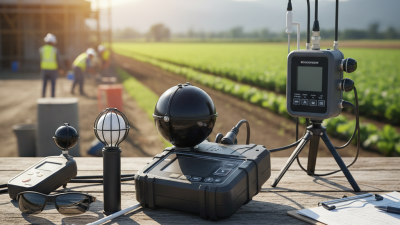
The instrument uses three sensors. The natural wet-bulb sensor has a water-moistened wick and reflects evaporative cooling. The black globe sensor records radiant heat from sunlight, machinery, or hot surfaces. The dry-bulb sensor measures ordinary air temperature.

These readings form the Wet Bulb Globe Temperature, or WBGT.

For outdoor areas with sunlight, a common formula is 0.7Tnwb + 0.2Tg + 0.1Tdb.
Indoor or shaded assessments usually use 0.7Tnwb + 0.3Tg.

A reliable China-made unit should provide stable sensors, clear data display, strong housing, and calibration records. However, a low price does not prove accuracy. Nor does a modern screen.

Tips: Place the instrument near the worker’s breathing zone, away from walls and fans. Allow enough time for the sensors to stabilize. Check the wick and distilled water regularly. Compare unusual results with a calibrated reference meter. Small setup mistakes can change decisions.

Field conditions change quickly. Cloud cover, wet clothing, and nearby metal surfaces may affect readings. WBGT is useful, but it is not a complete health assessment. Supervisors should also consider workload, clothing, breaks, hydration, and worker acclimatization.

I sometimes find that one reading feels precise, yet it represents only one moment. Repeated measurements are safer.

Which China-Made WBGT Thermometer Features Matter Most?

Choosing the best China-made WBGT thermometer depends on measurement quality, not the country of manufacture. In field checks, I look for separate dry-bulb, natural wet-bulb, and globe-temperature sensors. These values support a reliable WBGT calculation in outdoor and indoor work areas. Small errors matter.

A clear display matters. It should remain readable under strong sunlight and show temperature, humidity, WBGT, and alarm status without confusing menus. Fast response helps when workers move between shade and direct heat. However, extreme speed can reduce stability, so a balanced response time is better. An adjustable alarm is useful near hot machinery, sports fields, and construction zones. The device should also store readings with timestamps, allowing supervisors to review exposure patterns later.

Durability deserves close attention. Look for protected sensors, a sturdy enclosure, replaceable batteries, and an ingress rating suitable for the working environment. A calibration certificate from a competent laboratory adds credibility, but it should include traceable standards and a clear calibration date. Regular field checks remain necessary. No instrument is perfect. Dust, wind, blocked sensors, and poor placement can distort results. I would also compare readings with a reference instrument before using a new unit for safety decisions. This step is easy to skip, yet it often reveals unstable sensors or unclear software settings. Temperature range, memory capacity, charging method, and documented compliance with recognized occupational heat-stress methods should match the actual job, not just the product sheet.

What Is the Best China Wet Bulb Globe Thermometer WBGT? - Which China-Made WBGT Thermometer Features Matter Most?
Feature or Data Dimension Importance Basic China-Made Configuration Professional Configuration What Matters Most in Practice How to Verify Before Purchase
WBGT Calculation Method Very High Displays indoor or shaded WBGT using natural wet-bulb and globe temperature. Supports both indoor/shaded and outdoor/sun-exposed WBGT modes, with the calculation mode clearly identified. The standard heat-stress equations must be applied correctly. For shaded conditions, WBGT = 0.7 × natural wet-bulb temperature + 0.3 × globe temperature. For outdoor sunlight, WBGT = 0.7 × natural wet-bulb temperature + 0.2 × globe temperature + 0.1 × dry-bulb temperature. Confirm the formula, operating mode, and whether the outdoor solar term is included. The calculation should be consistent with ISO 7243 or the stated equivalent method.
Sensor Configuration Very High Separate sensors for air temperature, globe temperature, and natural wet-bulb temperature. Three dedicated sensors with protective filters, stable mounting, and individually documented measurement ranges. A genuine three-sensor design is generally more appropriate for WBGT measurement than an instrument that estimates WBGT from only air temperature and humidity. Ask for the sensor list, measurement principle, wiring diagram, and independent specifications for all three temperature channels.
Globe Thermometer Very High Black globe sensor, commonly around 50 mm to 57 mm in diameter. Black globe sensor with a documented diameter, emissivity information, and suitable response characteristics. Globe size, surface finish, material, and response time affect radiant-temperature measurement. The globe should not be treated as an interchangeable accessory without checking the instrument specification. Verify globe diameter, black surface specification, replacement availability, and whether the stated method requires a particular globe design.
Measurement Range High Typical air and globe temperature range of approximately 0°C to 50°C; WBGT range commonly covers ordinary occupational environments. Wider temperature capability, often approximately -20°C to 60°C or more, depending on the sensor and model. The range should cover the actual work environment, including hot machinery areas, outdoor summer conditions, cold storage areas, or sports facilities. Review the range for every channel separately. A wide display range is not meaningful if the sensors have narrower operating limits.
Temperature Accuracy Very High Common advertised accuracy is approximately ±0.5°C for temperature channels, depending on the range and sensor type. Approximately ±0.3°C to ±0.5°C may be available for selected channels, with accuracy stated by range and test conditions. WBGT accuracy depends on the combined uncertainty of the three temperature measurements, not only the accuracy printed for the air-temperature sensor. Request a complete accuracy table, uncertainty statement, test conditions, and calibration results for all sensor channels.
Response Time High Air-temperature readings may stabilize within seconds, while globe and natural-wet-bulb readings generally require longer stabilization. Provides a stated response or stabilization time and supports continuous monitoring after thermal equilibrium is reached. Globe temperature can respond slowly because the globe absorbs radiant heat. A rapidly changing display does not necessarily mean the WBGT value is already stable. Ask how response time was measured and whether the specification applies to air temperature, globe temperature, natural wet-bulb temperature, or final WBGT.
Natural Wet-Bulb Measurement Very High Wetted wick or porous sensor with a manual water reservoir or wick replacement process. Clearly defined wick, water-reservoir, airflow, and maintenance requirements, with replacement parts available. A dry or contaminated wick can produce a misleading natural-wet-bulb temperature and therefore an incorrect WBGT value. Confirm wick material, water type, reservoir capacity, replacement interval, cleaning procedure, and whether the sensor requires natural airflow.
Calibration and Traceability Very High Factory inspection certificate or basic calibration report may be supplied. Calibration certificate with serial number, test points, reference equipment, uncertainty, date, and recommended recalibration interval. A calibration certificate is more useful when it identifies the actual instrument and provides results for the relevant temperature channels. Check whether the report is instrument-specific, whether the reference standards are traceable, and whether recalibration can be performed locally or by an accredited laboratory.
Data Logging High Real-time display with limited or no internal memory. Internal memory, adjustable logging interval, time and date stamps, USB or wireless export, and separate records for sensor values and WBGT. Logged raw temperatures help users audit the WBGT calculation and investigate unusual readings. Verify memory capacity, logging interval, file format, export software, time-stamp accuracy, and whether data remain available after battery replacement.
Display and Alarms High LCD showing WBGT, air temperature, globe temperature, and natural-wet-bulb temperature. Backlit display, configurable high-WBGT alarm, audible or visual alert, and clear indication of indoor or outdoor mode. The alarm should be treated as an administrative aid, not as a universal safety limit. Risk also depends on workload, clothing, acclimatization, hydration, and exposure duration. Confirm alarm-setting range, alarm reset behavior, displayed units, and whether the selected threshold can be changed by the user.
Environmental Protection Very High Basic handheld enclosure, often suitable for controlled indoor use. Rugged enclosure with a stated IP rating, protective probe structure, tripod mounting, and operating-temperature specification. For outdoor or industrial use, protection from dust, splashing water, impact, and unstable mounting can be as important as the electronic accuracy. Verify the actual IP rating, impact protection, operating humidity, storage conditions, tripod thread, and whether the rating applies with the probes connected.
Power Supply Medium Replaceable batteries, commonly providing several hours to several days of use depending on display and logging functions. Long-life replaceable battery or rechargeable battery with low-battery indication and uninterrupted logging support. Power loss should not silently erase measurements or reset the date, time, alarm, and logging settings. Ask for typical battery life under continuous measurement, charging time, battery type, and data-retention behavior during low power.
Portability and Mounting Medium Handheld instrument with an integrated probe assembly or compact sensor head. Tripod-compatible system with adjustable sensor spacing, stable leveling, carrying case, and replaceable probe components. The sensor assembly should be positioned at a representative height and away from obstructions, direct body heat, and accidental shading. Confirm total assembled size, weight, tripod compatibility, cable length, carrying case, and the recommended measurement setup.
Standards and Documentation Very High User manual with basic operating instructions and a stated measurement method. Manual, technical datasheet, calibration procedure, maintenance instructions, conformity documentation, and standard references. The best instrument is not determined by country of manufacture alone. Correct methodology, transparent specifications, calibration support, and usable documentation are stronger selection criteria. Look for explicit references to ISO 7243 or another applicable method, complete technical specifications, English documentation, and after-sales technical support.

Note: The specifications shown above are representative selection ranges and verification criteria for China-made WBGT instruments, not claims about any particular manufacturer or model. Always compare the current datasheet, calibration certificate, operating instructions, and applicable workplace requirements before purchase.

How to Compare Accuracy, Sensors, and Calibration Standards

What Is the Best China Wet Bulb Globe Thermometer WBGT?

When comparing a China-made WBGT thermometer, accuracy should come before price. A reliable unit measures natural-wet-bulb, globe, and dry-bulb temperatures separately. The device then calculates heat stress from these readings. Check each sensor’s stated tolerance, response time, and operating range. Small errors can become important near workplace exposure limits.

Look closely at the globe sensor. Globe diameter, coating, and material affect radiant heat measurement. The wet-bulb sensor also needs a clean wick and suitable water. Poor maintenance can distort results. It happens easily. For outdoor work, confirm that the meter supports direct sunlight and changing wind conditions. For indoor use, review its response under limited air movement.

Calibration documents deserve careful attention. A credible supplier should provide traceable results, test conditions, serial numbers, and measurement uncertainty. Calibration should follow recognized requirements, such as ISO 7243, with laboratory competence aligned with ISO/IEC 17025 where possible. Do not accept a certificate with only a date and a stamp. Ask whether all three temperature channels were tested. Compare the stated tolerance with your site’s risk level, not only the advertised resolution. A display showing 0.1°C is not automatically accurate. Field verification against a calibrated reference can reveal drift, especially after transport. No instrument stays perfect. That is worth remembering. Sensor replacement, wick inspection, and scheduled recalibration may matter more than a polished specification sheet.

What Applications Require a China Wet Bulb Globe Thermometer?

A China wet bulb globe thermometer is valuable wherever heat can reduce safety, focus, or physical performance. It measures humidity, air temperature, radiant heat, and air movement. These factors create a more realistic heat-stress reading than temperature alone.

Heat is not just temperature.

Outdoor construction teams use WBGT instruments near concrete, asphalt, and metal surfaces. These materials can radiate intense heat during summer work. Agricultural workers also benefit from readings taken in fields, greenhouses, and poorly ventilated storage areas. Supervisors can adjust work-rest schedules, drinking breaks, and task rotation based on changing conditions.

Indoor applications are equally important. Foundries, bakeries, commercial kitchens, boiler rooms, and manufacturing workshops may expose workers to radiant heat without direct sunlight. Sports coaches and event organizers can monitor training grounds before endurance activities. Schools may use WBGT data when planning outdoor physical education during hot weather.

A reliable Chinese instrument should have a clear display, stable sensors, weather-resistant construction, and calibration records. Follow the measurement method required by local occupational safety guidance. Place the device at representative worker height, not beside an air conditioner or reflective wall. A single reading can mislead.

Reality is messier.

Shade, airflow, clothing, workload, and personal health also affect heat strain. Even a well-calibrated meter cannot replace trained judgment. Regular verification is essential, especially after transport, battery failure, or harsh field use.

How to Select the Best China WBGT Meter for Your Needs

Choosing the best China WBGT meter starts with your working environment, not its appearance. Outdoor construction sites need sensors for natural wet bulb, globe, and dry bulb temperatures. Indoor factories may require a different setup. Confirm that the meter calculates WBGT using the correct indoor or outdoor formula. A clear screen helps during bright sunlight, while data logging supports later safety reviews. Look for documented accuracy, calibration procedures, and test reports based on recognized standards such as ISO 7243.

Tips

Ask the supplier how each sensor is calibrated. Request sample records, not only general promises. Check the globe size, response time, battery life, and probe replacement cost. A strong IP rating can protect the instrument from dust and light rain, but it does not make careless placement acceptable. Train users to position the probe near the worker’s breathing zone and away from artificial shade.

Field experience shows that small details affect readings. A meter placed beside a fan may report misleadingly low heat stress. A shaded globe can also distort outdoor measurements. Select a model with adjustable alarms, simple menus, and a stable tripod or mounting option. Wireless transfer is useful, but it can introduce connection problems. I would value reliable sensors over unnecessary software features. No instrument is perfect. Even a well-made meter needs regular verification, especially after transport, battery leakage, or harsh exposure. Before ordering, compare the supplier’s technical support, spare parts, warranty terms, and calibration service. Cheap equipment may become expensive when a replacement sensor is unavailable.

What Is the Best China Wet Bulb Globe Thermometer WBGT?

How to Select the Best China WBGT Meter for Your Needs

A reliable WBGT meter should measure natural wet-bulb temperature and globe temperature. For outdoor environments with direct solar radiation, dry-bulb temperature is also required. According to ISO 7243, WBGT is calculated as 0.7 × natural wet-bulb temperature + 0.3 × globe temperature indoors or in shade, and 0.7 × natural wet-bulb temperature + 0.2 × globe temperature + 0.1 × dry-bulb temperature outdoors.