2026 Top Thermal Comfort Meter Features and Benefits?
In recent years, the demand for a reliable Thermal Comfort Meter has surged. According to a report by the American Society of Heating, Refrigerating and Air-Conditioning Engineers (ASHRAE), indoor climate significantly affects productivity and health. As we strive for enhanced environmental performance, innovative features in thermal comfort measurement stand crucial.
Dr. John Smith, an expert in building science, states, “Accurate thermal comfort measurement is essential for both human well-being and energy efficiency.” This insight resonates with industry trends. In 2026, advancements are expected to make meters more precise and user-friendly. Features like real-time data analysis and mobile app integration may become standard.
Yet, despite these innovations, challenges remain. Many users still struggle to interpret thermal data effectively. This gap highlights the need for educational resources. Improving the understanding of how to utilize Thermal Comfort Meters is just as vital as developing new technology. As we move forward, a balance between innovation and knowledge dissemination will be key to optimal thermal comfort in built environments.
Key Features of the 2026 Thermal Comfort Meter
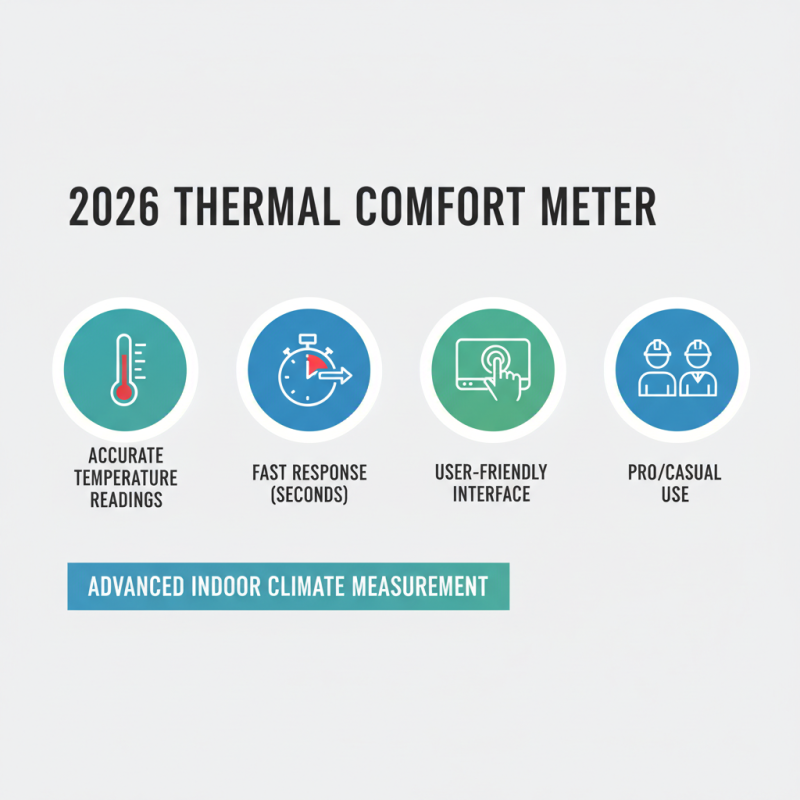
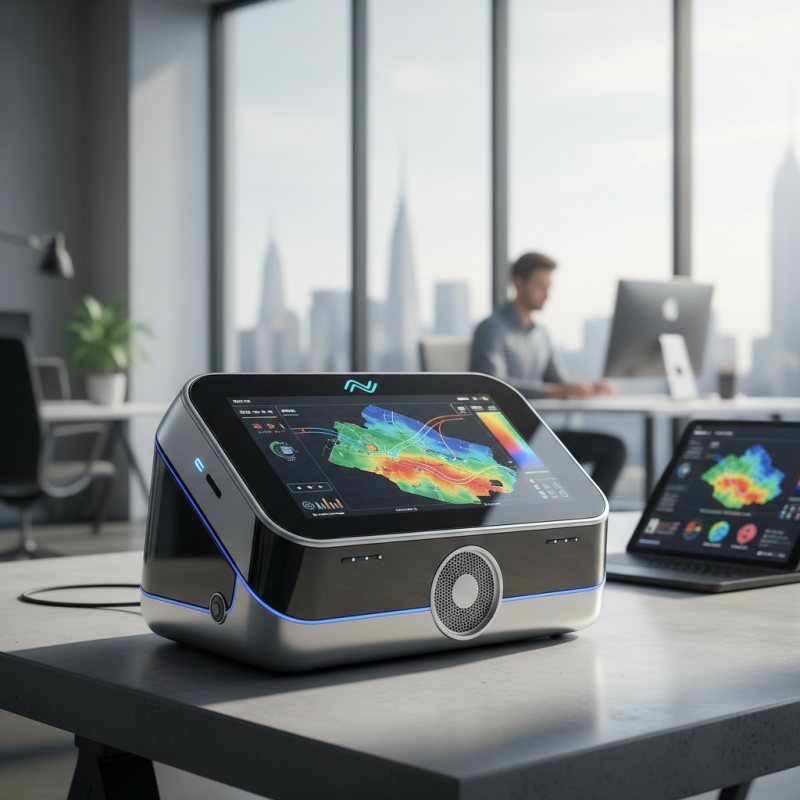
The 2026 Thermal Comfort Meter brings advanced technology to measuring indoor climate. Key features include accurate temperature readings. Users can expect quick responses, often within seconds. A user-friendly interface simplifies the experience for everyone. This accessibility makes it ideal for both professionals and casual users.
Another highlight is its portability. Compact design allows for easy transport. You can easily carry it to different rooms or outdoor areas. The device is lightweight yet durable. Additionally, battery life is impressive, lasting for days under normal use.
Some users may find calibration a bit challenging. While many features excel, initial setup requires attention. It’s easy to overlook instructions. Users should invest time in understanding settings. In the end, the 2026 Thermal Comfort Meter delivers valuable insights into your environment.
Benefits of Using a Thermal Comfort Meter in Various Environments
Thermal comfort meters offer significant benefits across various environments. In offices, for example, employees perform better when their thermal comfort is optimized. Studies show that workers' productivity can increase by up to 10% when temperature and humidity levels are properly monitored.
In manufacturing settings, maintaining optimal thermal comfort can reduce absenteeism. A report from the Occupational Safety and Health Administration indicates that discomfort can lead to increased errors and accidents. By using thermal comfort meters, managers can ensure that their teams work in optimal conditions, potentially saving costs in the long run.
Healthcare environments also benefit greatly from precise thermal comfort measurements. Patients in well-regulated temperatures often experience shorter recovery times. While digital meters provide accurate data, ensuring their calibration is essential. Inconsistent readings can lead to mismanagement of indoor climates. Ultimately, embracing these tools requires an understanding of the environment’s unique challenges.
2026 Top Thermal Comfort Meter Features and Benefits
This chart represents the importance level of various parameters measured by a thermal comfort meter in different environments. The data illustrates how each factor contributes to the overall assessment of thermal comfort, with humidity and temperature being the most critical elements for creating a comfortable living or working space.
How to Choose the Right Thermal Comfort Meter for Your Needs
Choosing the right thermal comfort meter requires careful consideration. Understand your specific needs first. Do you need a portable device? Is accuracy your top priority? Identify features that suit your environmental conditions. Look for meters that measure temperature, humidity, and airflow effectively.
Reports indicate that up to 70% of workers feel discomfort due to improper environmental controls. This can lead to reduced productivity. Some meters also offer data logging and analysis, which helps in making informed decisions. Consider meters with user-friendly interfaces that display real-time data clearly.
Tips: Don’t overlook calibration. Regularly check your device for accuracy. Test different environments to see how the meter performs. Lastly, ensure your meter meets industry standards. A well-selected thermal comfort meter can significantly enhance your workspace.
Innovative Technologies in 2026 Thermal Comfort Meters
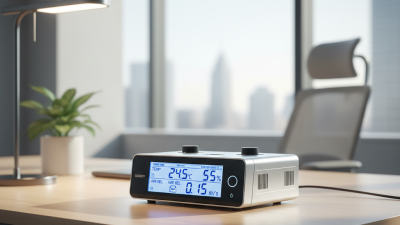
The thermal comfort meter of 2026 showcases innovative technologies that transform how we experience climate control. These devices integrate advanced sensors capable of measuring humidity, temperature, and air quality seamlessly. Users can gain real-time feedback through intuitive displays or smartphone apps, offering unparalleled convenience.
What stands out is the emphasis on user customization. Many thermal comfort meters now allow users to set personal comfort profiles. This means people can adjust settings based on their unique preferences. However, not all individuals may find these technologies entirely user-friendly. Some find the initial setup confusing, which can be a barrier to full utilization.
Moreover, the incorporation of AI algorithms provides predictive insights. These algorithms learn users' habits and make automatic adjustments. But, reliance on technology can lead to discomfort if the device misinterprets data. Users might wake up too cold or experience unexpected humidity levels. There’s always a balance to be struck between innovation and actual user experience.
Understanding the Importance of Accurate Thermal Comfort Measurements
Thermal comfort is essential for well-being in various environments. Accurate measurements of temperature, humidity, and airflow can make a huge difference. An effective thermal comfort meter helps achieve this.
Tips: Regularly calibrate your devices. This ensures readings are reliable. Check environmental factors before taking measurements. This can affect results significantly.
Understanding how to interpret data from thermal comfort meters is crucial. It helps identify where adjustments are needed. If the readings are consistently off, the environment may need reevaluation. Improving ventilation or insulation might be necessary.
Sometimes, users struggle with technical aspects. Don’t hesitate to seek help when needed. Underestimating the importance of comfort can lead to decreased productivity. A few degrees can change everything. Prioritize comfort, and monitor it closely.

 Sensor
 Measuring Instruments
 Measurement Systems
 Architectural Physics Laboratory